 DONG VAN OLD QUARTER
Travel Guide: What to Eat, Do, and Where to Stay
Perched at 1,000–1,600 m above sea level, Dong Van Old Quarter is a hidden gem in Ha Giang’s rugged highlands. Nestled among towering limestone cliffs and misty forests, it blends H’Mong heritage with colonial charm and bustling local markets. This guide by Phieu Travel shows what to eat, where to stay and how to explore Dong Van Ancient Town like a local.
1. Dong Van Old Quarter – A timeless gem of the stone plateau
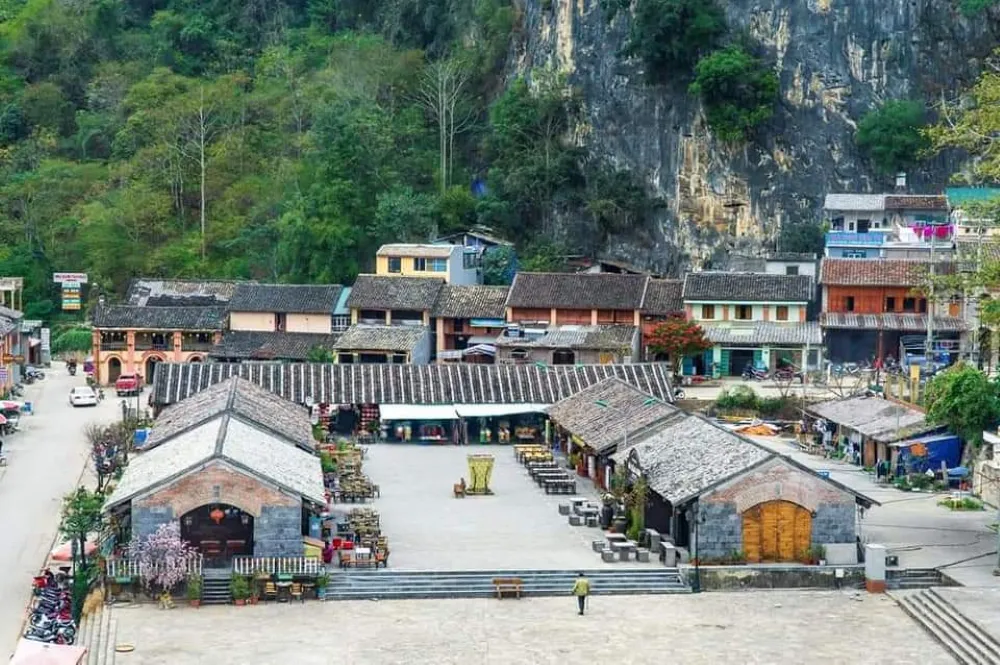
Dong Van Old Quarter sits at the center of Dong Van Town, famous for its stone houses, colorful markets, and rich cultural identity. To truly appreciate its essence, one must look beyond the architecture – into its layered history and ancient legends.
1.1 Unique history and cultural heritage
The origins of Dong Van are rooted in its identity as “Tong Puon”—the “Trading Field.” Originally a prosperous Tay commercial hub, its strategic significance was formally recognized by the French colonial administration in 1887. By the early 20th century, it had been transformed into a vital administrative and commercial outpost, bridging the rugged highlands with the rest of Indochina.
- An Ethnic mosaic: The town’s soul is a sophisticated fusion of Tay, H’Mong, and Hoa heritages, later enriched by the arrival of the Nung and Dao communities.
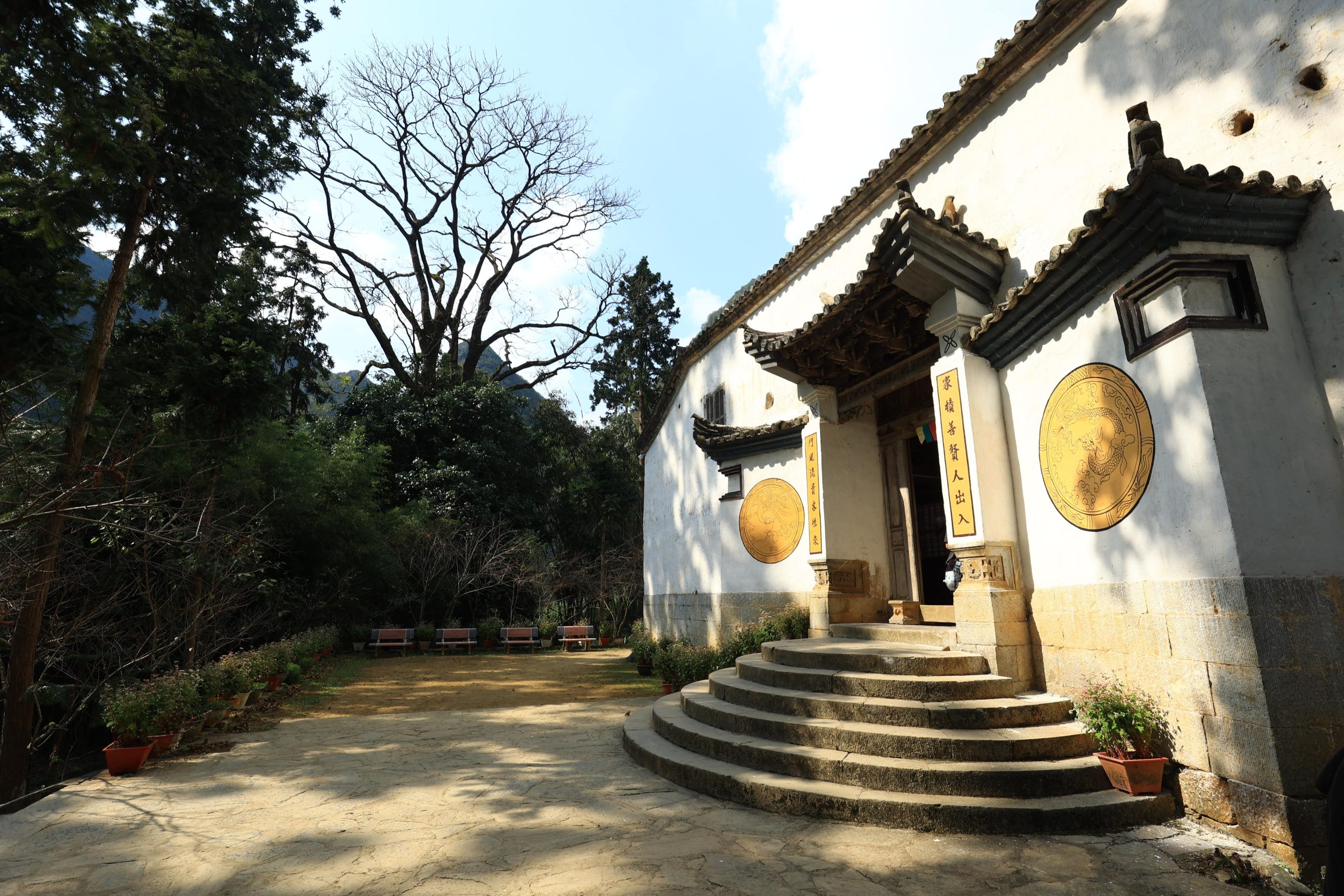
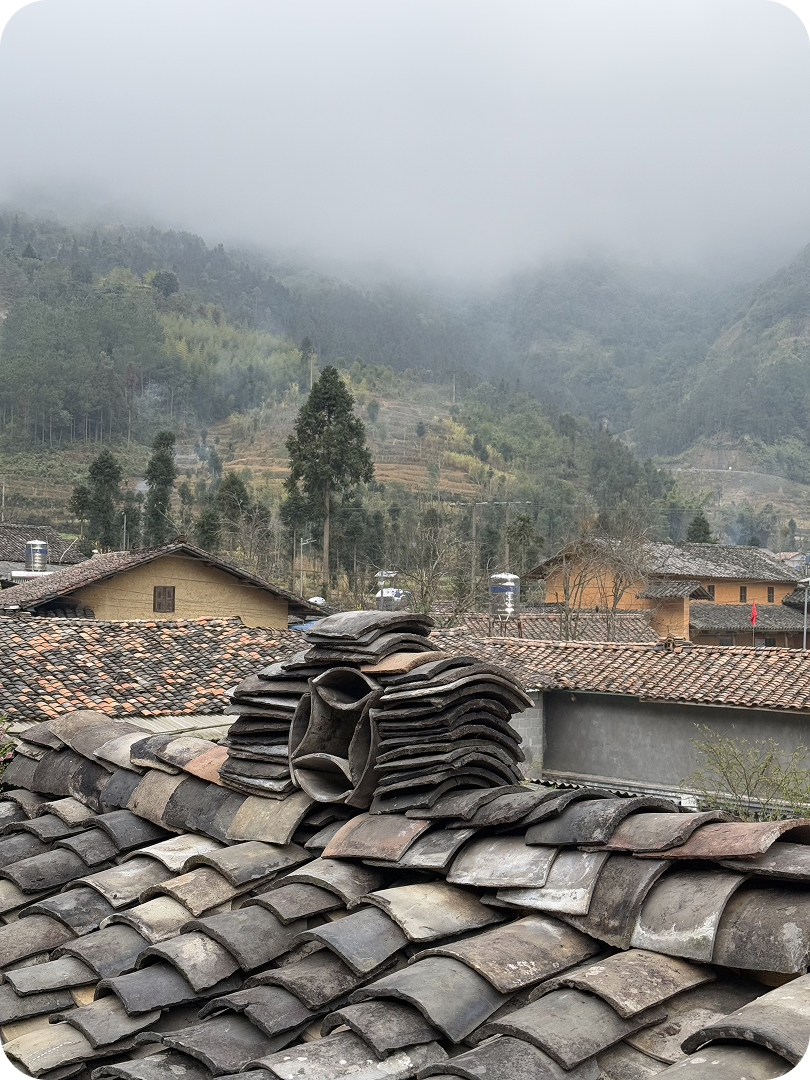
- Architectural heritage: This cultural synthesis is mirrored in the town’s unique aesthetic. Century-old “Trình Tường” (rammed-earth) houses stand topped with weathered yin-yang tiled roofs, connected by a labyrinth of narrow, stone-paved alleys that have remained largely unchanged for generations.
- Global significance: Since 2010, the Old Quarter has served as the cultural epicenter of the Karst Plateau, offering a rare sanctuary where geological grandeur and human history exist in perfect equilibrium.
1.2 Mystical tales and legends of the Dong Van ancient town
Ancient legends still shape life in Dong Van. From dragon tales and sacred lakes to mysterious stone carvings, spirit shrines and timeless rituals, each story reveals a deeper layer of the highland’s cultural soul.
The celestial legacy: The Dragon of Lung Cu
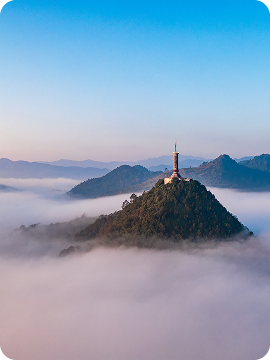
- Perched atop Dragon Mountain: The legend of Lung Cu is etched into the very soil. Folklore tells of a celestial dragon that was so mesmerized by the plateau’s beauty that it descended to earth. Before ascending back to the heavens, the dragon left its eyes behind as a gift to the people.
- The Experience: Today, these “eyes” are manifested as two crescent-shaped lakes that never run dry. They are revered as a source of eternal blessing, providing life-giving water to the surrounding ethnic villages.
The granite enigma: The Petroglyphs of Ho Quang Phin
- For travelers with a penchant for archaeology: The granite outcrops of Ho Quang Phin hold a secret over a millennium old. More than 100 intricate petroglyphs—featuring spirals, fertility symbols, and celestial patterns—remain carved into the stone.
- The Mystery: While their exact origins remain a subject of scholarly debate, these markings are thought to be the remnants of ancient spiritual rites or territorial claims, marking the area as a place of profound ancestral power.
The sacred source: The Water Spirit of Lang Nghien
- On the periphery of the Old Quarter lies a humble yet potent sanctuary in Lang Nghien Hamlet. This shrine is dedicated to the Water Spirit, a deity who, according to folklore, granted a miraculous spring to the villagers during a devastating drought.
- Cultural Ritual: Every Lunar New Year, the community gathers this spring to pray for health, rainfall, and bountiful harvests. It is a moment of profound cultural purity—one that Phieu Travel can help you witness with the utmost respect and local insight.
The Ultimate Ha Giang Loop Guide (2025): Itinerary, Map & Tips
2. Authentic highland shopping and entertainment
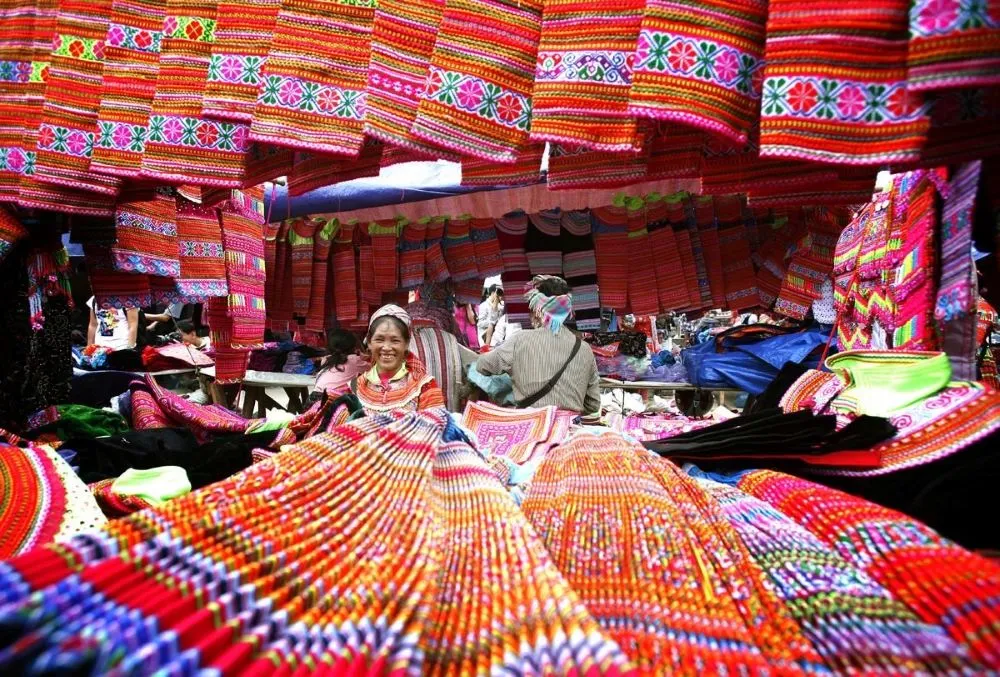
Every Sunday at dawn, the Dong Van Old Quarter undergoes a dramatic transformation. What is typically a quiet, historic enclave becomes the most vibrant social theater in Northern Vietnam. The Dong Van Sunday Market is not merely a place for trade; it is an ancestral tradition where the H’mong, Tay, Dao, and Nung communities converge to celebrate their shared heritage.
2.1. A living tapestry of Ethnic identity
As the mist lifts off the karst peaks, villagers descend from remote mountain outposts in a breathtaking display of traditional regalia. This is a rare opportunity for the discerning traveler to witness the “Living Museum” of the Highlands.
- The atmosphere: The air is thick with the scent of indigenous spices and the sounds of multiple dialects. Unlike commercialized markets, the exchanges here are deeply personal—old friends reuniting over bowls of Thang Co and merchants negotiating with a level of integrity that has defined the plateau for centuries.
- The visuals: For photographers and cultural enthusiasts, the sea of hand-dyed indigo, intricate brocade patterns, and silver heirloom jewelry offers a high-definition look at the artistic pride of the plateau’s 17 ethnic groups.
2.2. Beyond trade: A curated cultural experience
In recent years, the market has evolved to host monthly cultural showcases, elevating the Sunday gathering into a curated festival of the arts.
- Heritage craftsmanship: Witness the rhythmic artistry of Brocade Weaving, where master artisans demonstrate the painstaking process of transforming flax into wearable art.
- Folk games & Rituals: Participate in or observe traditional games such as Pao throwing or stick-pushing, which serve as vital social bonds for the highland youth.
- Live performance: The market often vibrates with the haunting melodies of the Khen (Bamboo Flute) and traditional folk singing, offering an acoustic journey through the history of the Dong Van Karst Plateau.
3. Curated shopping for the Discerning Collector
For the luxury traveler, the Dong Van Market is a premier destination for authentic, one-of-a-kind acquisitions.
- Artisanal textiles: Seek out high-quality, hand-woven linens and hemp fabrics that tell the story of the weaver’s clan.
- Highland specialties: From wild forest honey and medicinal herbs to the famed corn wine of Meo Vac, every product is a testament to the region’s biodiversity.
3. Must-try local dishes that steal the show
Dong Van’s cuisine reflects the land’s ruggedness and resourcefulness. Here are some must-try specialties:
- Au Tau Porridge: A warm, bittersweet rice porridge made from simmered au tau root, often eaten at night to fight the mountain chill.
- Thang Co: A rich stew of horse meat, seasoned with lemongrass and cardamom – deeply rooted in H’mong culinary tradition.
- Five – Color Sticky Rice (Xoi Ngu Sac): Dyed naturally with herbs, this dish is both a feast for the eyes and a symbol of ethnic harmony.
- Men Men: A steamed cornmeal staple in H’mong households, usually paired with pork or sautéed greens.
- Buckwheat Cake: Slightly sweet, nutty and perfect with tea on misty mornings. These hand-pressed patties are steamed or charcoal-grilled, resulting in a dense, nutty cake with a subtle sweetness. Pair a warm buckwheat cake with a cup of wild forest tea on a misty morning for a truly evocative highland moment.
- Corn Wine: Distilled by hand in mountain villages, this traditional liquor offers a fiery finish and is shared in every local celebration.
- Thang Den: Ha Giang’s take on glutinous rice balls in sweet ginger syrup, often served as a warm dessert at roadside stalls.
- Smoked Buffalo Meat: Strips of buffalo are marinated with salt, ginger, and chili, then smoked over wood for days. It’s chewy, rich, and full of flavor.
4. Traditional festivals in the old quarter
Dong Van’s cultural calendar features a rich lineup of ethnic festivals, each offering deep insights into the spiritual and communal life of Ha Giang’s highlands.
- Long Tong Festival (January 1–5, Lunar Calendar): The invocation of prosperity
- Date: 1st to 5th day of the Lunar New Year
- Cultural pillar: The Tay Ethnic Group
- The experience: Known as the “Going to the Fields” festival, Lồng Tồng is an essential agricultural rite. It serves as a sophisticated negotiation with the deities of the Land and Water, seeking a bountiful harvest.
- Refined detail: Beyond the solemn offerings, the atmosphere transforms into a vibrant social gala. Guests can immerse themselves in the hauntingly beautiful melodies of Then singing—a UNESCO-recognized heritage—and witness traditional displays of strength and skill, such as tug-of-war and top-spinning, which symbolize the vitality of the community.
- Khau Vai Love Market (March 27, Lunar Calendar): An Anniversary of the Heart
- Date: 27th day of the 3rd Lunar Month
- Location: Meo Vac (accessible from Dong Van)
- The experience: Perhaps the most enigmatic cultural event in Southeast Asia, Khau Vai is an “emotional sanctuary.” It is a day of amnesty where individuals reunite with past lovers to share life’s journeys without judgment or social constraint.
- Refined detail: It is a sophisticated tapestry of human emotion, narrated through the haunting sounds of flutes and the vibrant colors of ethnic finery. For the traveler, it offers a profound look at a culture that balances rigid tradition with deep emotional freedom.
- Gau Tao Festival (January 1–15, Lunar Calendar): The H’Mong Thanksgiving
- Date: 1st to 15th day of the Lunar New Year
- Cultural pillar: The H’mong Ethnic Group
- The experience: Gau Tao is the most significant social and religious event for the H’mong people. Historically established as a ritual to pray for progeny and health, it has evolved into a grand celebration of gratitude for the previous year’s blessings.
- Refined detail: The festival is a sensory masterpiece. One can observe the iconic Khen (Bamboo Flute) dancing, where performers execute acrobatic feats to rhythmic melodies, alongside poetic “Love Duets” that have facilitated highland romances for centuries.
- Lo Lo New Year Festival (Dec 25–30, Lunar Calendar): The Harmony of Ancestral Spirits
- Date: 25th to 30th day of the 12th Lunar Month
- Cultural pillar: The Lo Lo Ethnic Group (Lung Cu)
- The experience: In the shadows of the Dragon Mountain, the Lo Lo people celebrate the transition of the year with a focus on domestic sanctity. This festival is deeply centered on Ancestor Worship, where every ritual is designed to maintain the balance between the living and the spiritual realms.
- Refined detail: This is an intimate window into some of Vietnam’s most unique customs, including gender-specific rituals and symbolic food offerings that emphasize cosmic harmony. Witnessing the Lo Lo in their intricate, hand-woven attire—some of the most complex in the region—is a highlight for any cultural connoisseur..
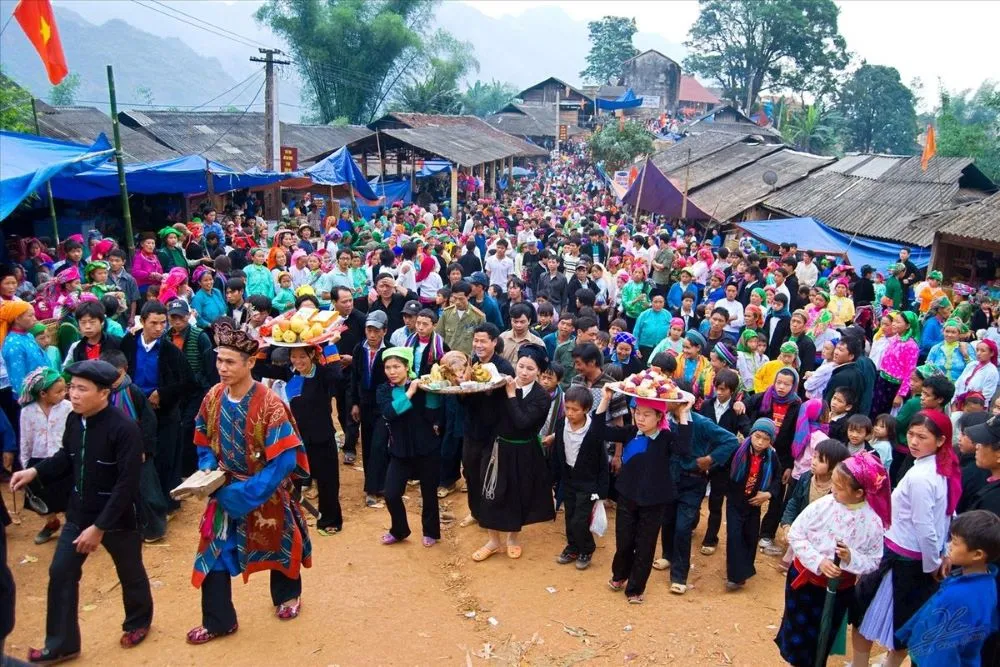
Lo Lo Chai Village, A Promised Land in the Heart of the Majestic Ha Giang Highlands
5. How to get to Dong Van Old Quarter
Reaching Dong Van Old Quarter may take time, but the journey is part of the adventure. Here’s how you can get there from different regions of Vietnam.
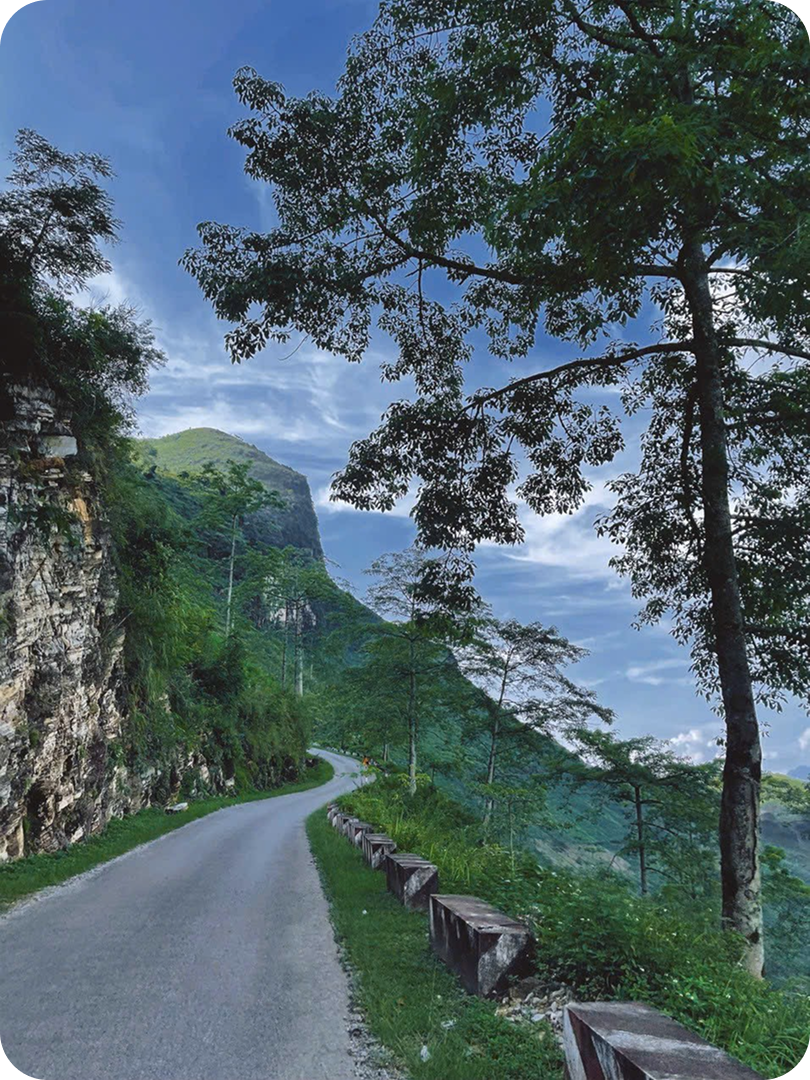
- From Hanoi: You can go by sleeper bus, limousine van or motorbike. Buses take 6–7 hours and are budget-friendly. Riding a motorbike takes longer but rewards you with epic views along Ma Pi Leng Pass and Quan Ba.
- From Southern Vietnam: Fly to Hanoi, then continue to Ha Giang by bus or van. Direct buses are available but take over 40 hours, only suitable if you have lots of time and patience.
- From Central Vietnam: From cities like Da Nang, Hue, Quang Binh,… , fly or take the train to Hanoi. Then head to Ha Giang by road. It’s an easy route with beautiful scenery on the way.
6. Best stays with stunning views near Dong Van Old Quarter
If you’re planning to stay near Dong Van Ancient Town, there’s no shortage of comfortable and scenic options. From traditional stone houses to modern homestays, each offers a unique experience with views of the surrounding karst mountains and town rooftops.
Nha Co Homestay
For the traveler who prioritizes cultural authenticity, Nha Co Homestay offers a rare opportunity to reside within a piece of history. Situated in the absolute center of the Old Quarter, this residence is a masterclass in traditional stone and timber craftsmanship.
- The ambiance: The interiors are defined by warm, aged wood and a tranquil central courtyard that provides a peaceful sanctuary away from the market’s bustle.
- The experience: Staying here is an immersive step back in time. You wake up to the soft light filtering through hand-carved window frames, with the smells of the ancient town just steps away.
- Investment: From 200,000 to 700,000 VND, offering accessible luxury for heritage enthusiasts.
Plum Homestay
Strategically positioned along the legendary “Happiness Road” Plum Homestay is designed for those who demand a visual connection to the landscape. It strikes a sophisticated balance between rustic aesthetics and contemporary comfort.
- The view: The hallmark of this property is its sweeping mountain-facing balconies. It is the premier choice for couples and families who wish to witness the dawn mists rolling over the karst peaks from the privacy of their terrace.
- The accommodations: Options range from refined shared spaces to exclusive luxury suites featuring panoramic glass walls.
- Investment: From 350,000 to 2,500,000 VND, catering to travelers seeking an upscale mountain retreat.
Ha Giang Holic
Located on Tran Phu Street, Ha Giang Holic caters to the modern, design-conscious adventurer. Its architecture is characterized by clean lines and a minimalist philosophy that allows the surrounding nature to take center stage.
- The highlight: The rooftop terrace is arguably the best vantage point in the district, offering an unobstructed 360-degree panorama of Dong Van’s rugged, vertical terrain. It is the perfect location for an evening glass of corn wine under the starlit sky.
- The vibe: A refined, social atmosphere that attracts global travelers looking for both privacy and community.
- Investment: From 150,000 to 950,000 VND, blending boutique style with exceptional value.
7. Essential tips for first-time visitors to Dong Van Old Quarter
Before embarking on your northern odyssey, these strategic recommendations will help you navigate the nuances of the Dong Van Karst Plateau. Preparation is the difference between a simple trip and a life-changing expedition.
7.1. Time allocation: The art of slow exploration
Meo Vac and Dong Van are landscapes that demand patience.
- The golden rule: Dedicate a minimum of three full days to the Dong Van and Meo Vac circuit. This allows for a deep dive into the Ma Pi Leng Pass and the Lung Cu Flag Tower without the exhaustion of a rushed itinerary.
- The extended journey: For those seeking true immersion, an additional 48 hours is recommended to trek the “White Cliffs” skywalk or engage in a private workshop within the remote ethnic villages.
7.2. Seasonal strategy: Timing your arrival
While the “Stone Plateau” is breathtaking year-round, your experience will be dictated by the mountain’s shifting moods.
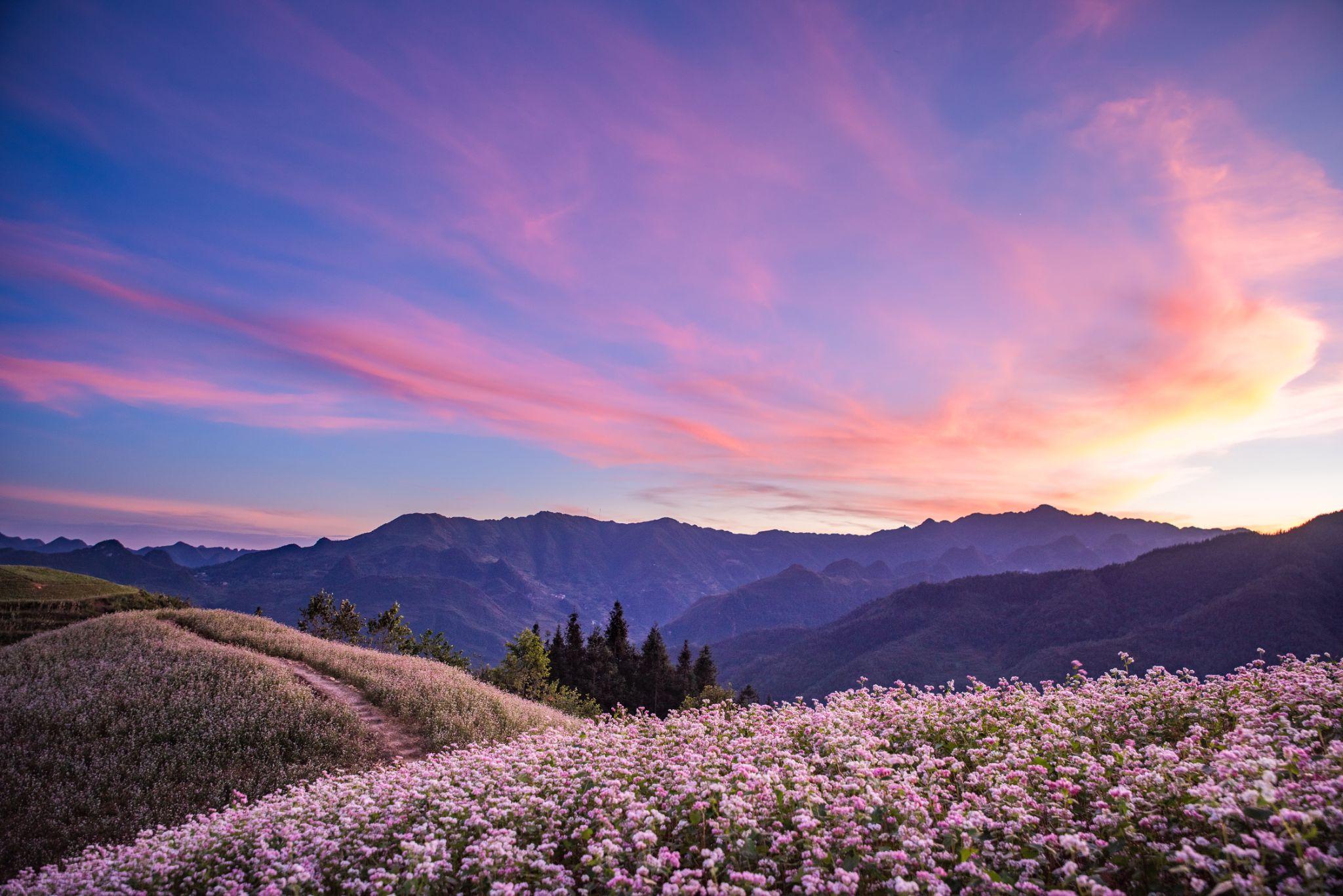
- Peak Perfection (September – November): This is the definitive window. Expect golden harvest terraces in September and the world-renowned Buckwheat Flower Festival in October and November. Temperatures are mild (15–25°C), and skies are at their clearest.
- The Spring Bloom (March – May): A season of rebirth where peach and plum blossoms carpet the grey karst. The weather is pleasant, though morning mists can add an ethereal, mysterious quality to your photography.
- The Winter Mist (December – February): Temperatures can drop to 0–5°C. This is for the adventurer who appreciates the raw, moody beauty of a frost-covered landscape—essential to pack high-quality thermal layers.
8. Explore Dong Van Old Quarter with Phieu Travel – A journey to remember
Phieu Travel is your trusted local guide to uncovering the true soul of Dong Van Old Quarter, one of the most atmospheric stops along the Ha Giang Loop. With deep roots in Ha Giang and a passion for meaningful journeys, we offer more than just sightseeing – we open doors to authentic highland life.
- Tailored itineraries designed to fit your time, interests, and adventure level.
- Insider access with local guides who speak the language of the land.
- Cultural immersion through visits to Lolo, Hmong, and Dao communities.
- Ethical travel experiences that support local families and traditions.
- Dedicated support team ensuring every detail of your trip runs smoothly.
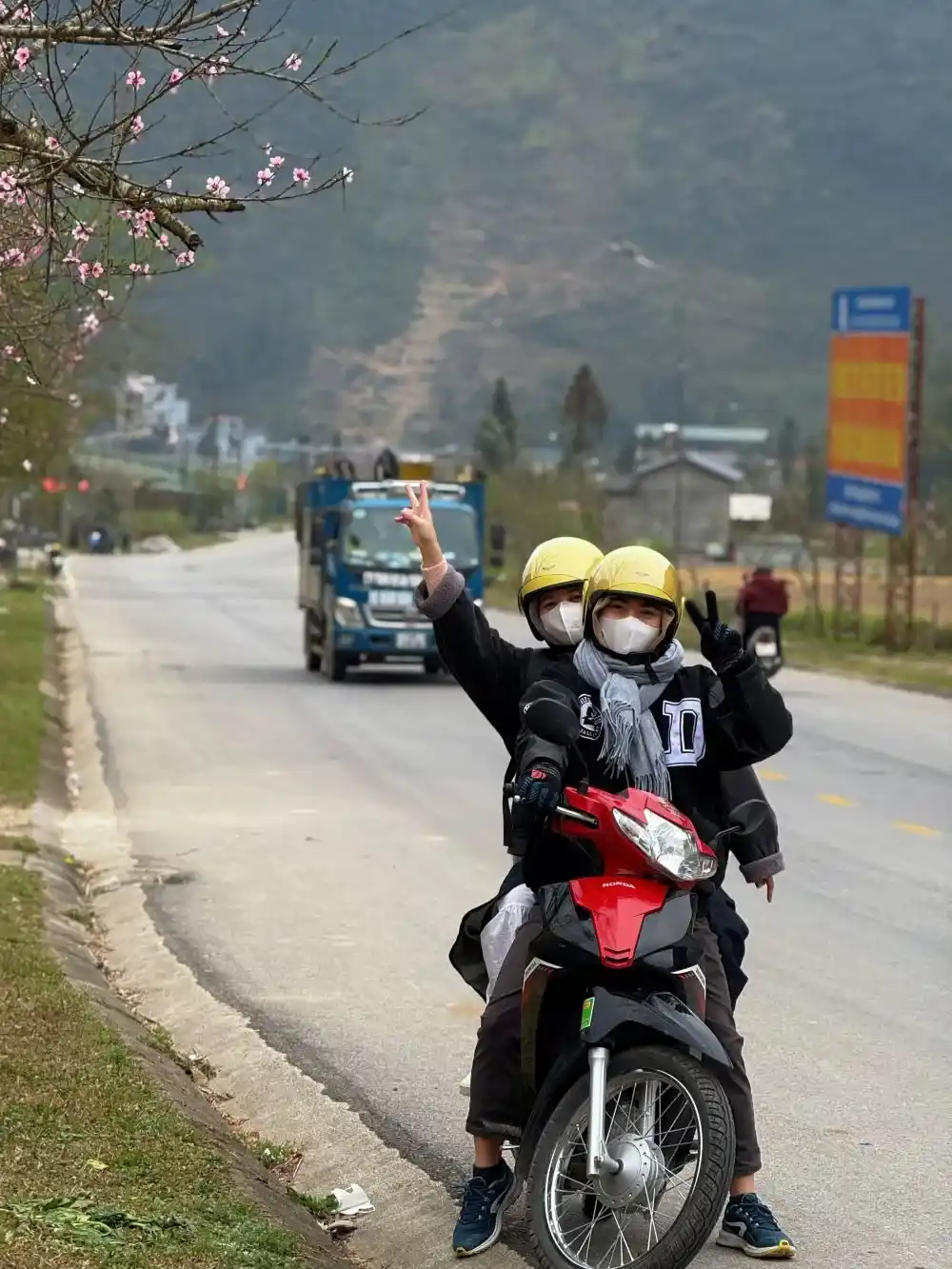
Let Phieutravel.com be your companion on the journey to uncover the timeless charm of Dong Van Old Quarter. From cobbled streets and ancient stone houses to the warm smiles of highland communities, every step becomes more meaningful when shared with those who truly know the land. Your adventure begins here and we’re here to make it unforgettable.
You Might Also Like:
- Ma Pi Leng Pass – The Majestic Beauty of Ha Giang’s Stone Plateau
- Nho Que River – The Emerald Gem of Dong Van Karst Plateau
- Ultimate 2 Days 1 Night Ha Giang Loop with Phieu Travel
Du Gia
Peaceful village with waterfalls and rice fields.
Pao’s House
Traditional Hmong house from a famous movie.
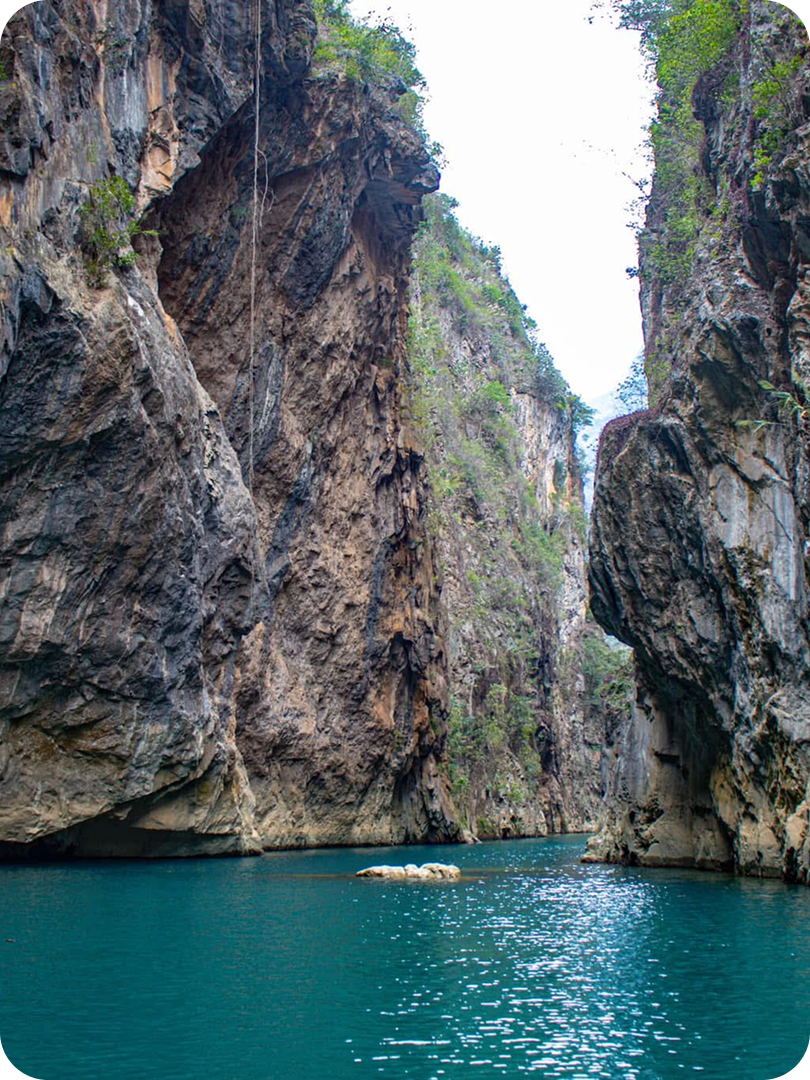
Nho Que River
Emerald river winding through spectacular canyons.
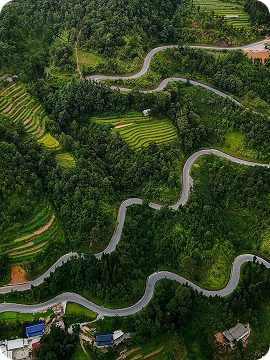
Chin Khoanh Ramp
Zig-zagging road with stunning plateau views.
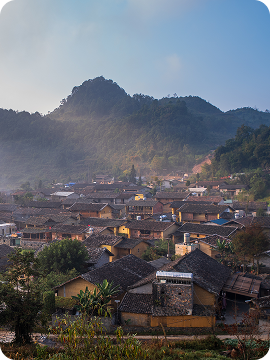
Lo Lo Chai
Traditional Lo Lo village at flagpole’s foot.
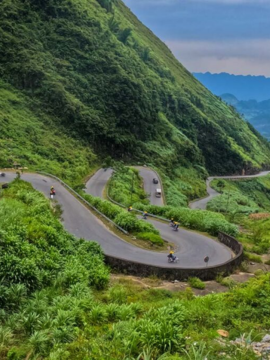
Tham Ma Pass
Famous eight-tiered road with stunning views.
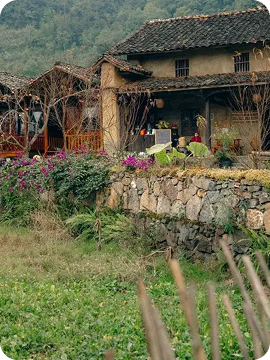
Meo Vac
Vibrant Sunday market for ethnic minorities.
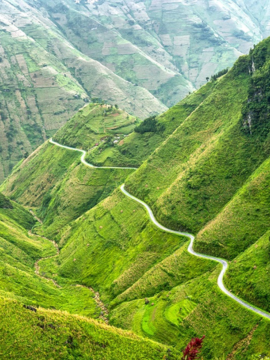
Ma Pi Leng Pass
"King of passes" with breathtaking views.
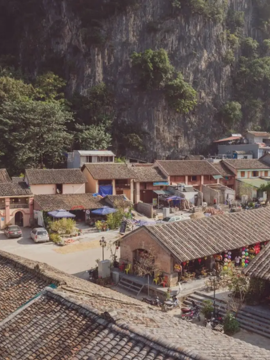
Dong Van Old Quarter
Historic area with unique traditional houses.
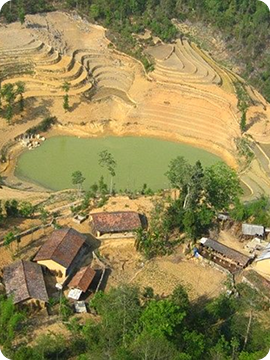
Dragon Mountain-Dragon Eye
Two lakes at flagpole's foot, resembling dragon's eyes.
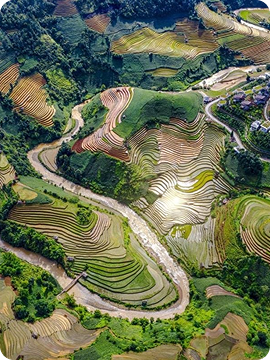
Mu Cang Chai – Ha Giang
A breathtaking route of terraced fields and mountains.
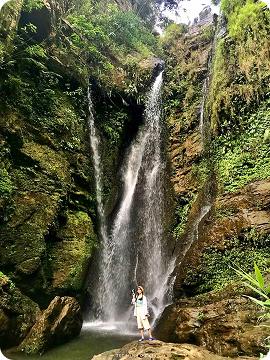
Nai Waterfall
A serene waterfall in Quan Ba, ideal for picnics.