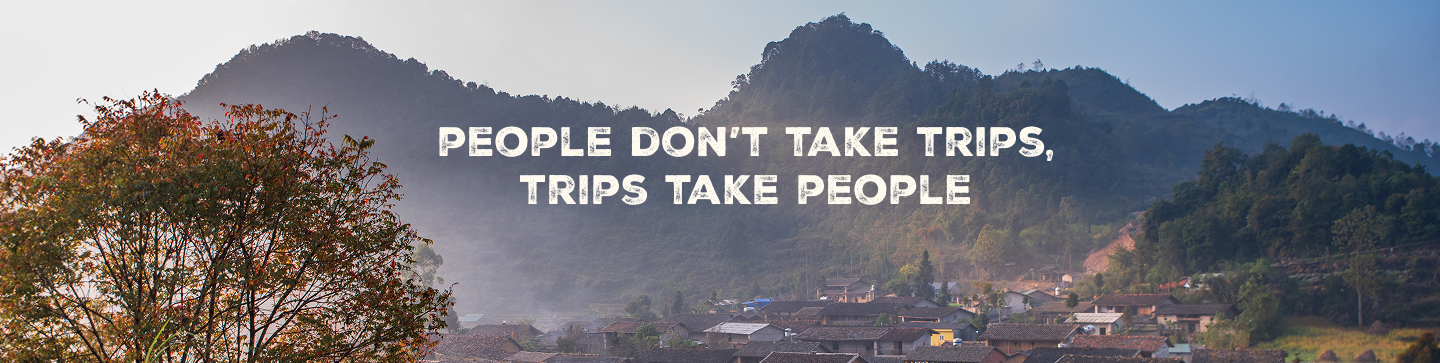
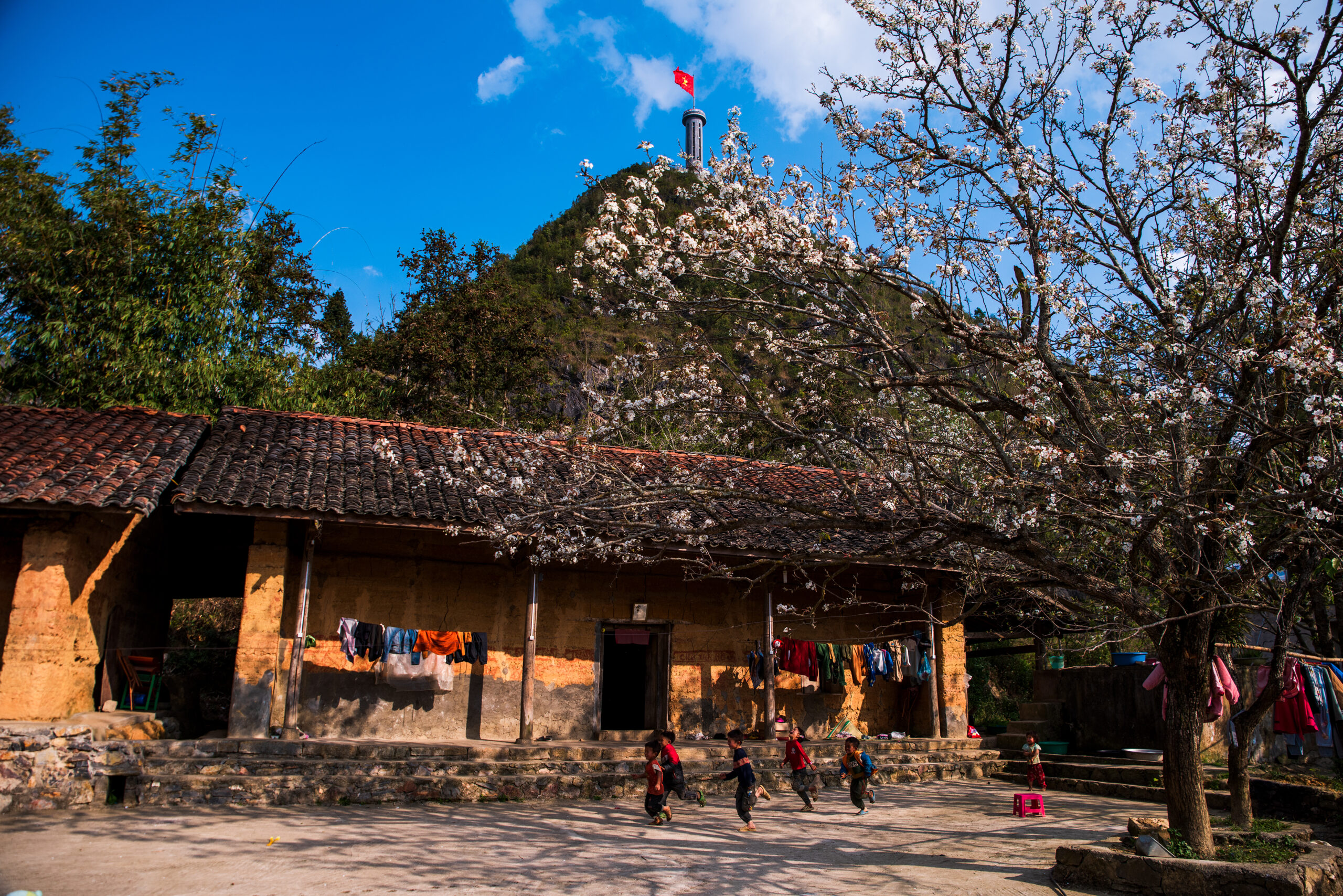
Located just below the Lung Cu Flag Tower, Lo Lo Chai Village is a heritage-rich community of the Lo Lo Black people in Ha Giang Province. With its rammed-earth homes, hand-built stone fences and preserved cultural rituals, the village offers a rare cultural escape in northern Vietnam. This guide by Phieu Travel shares the best time to visit, how to get there and what to see, taste and experience in Lo Lo Chai.
1. Introduction to Lo Lo Chai Village
Tucked quietly beneath the majestic gaze of Dragon Mountain, Lo Lo Chai Village serves as a cultural gateway to Vietnam’s extreme north. Located in Lung Cu Commune—just a kilometer from the base of the iconic Lung Cu Flag Tower—this ancient settlement is the heartbeat of the Dong Van Karst Plateau UNESCO Global Geopark.
A Bastion of Ethnic Heritage
Lo Lo Chai is one of the few places where time seems to have paused. The village is a vibrant tapestry of ethnic minority life, primarily home to the Lo Lo Flower and H’Mong communities. With over 90% of the population belonging to these indigenous groups, the village remains a primary custodian of the plateau’s intangible heritage.
The Art of “Trình Tường” Architecture
The aesthetic of the village is defined by its rustic, earthen charm:
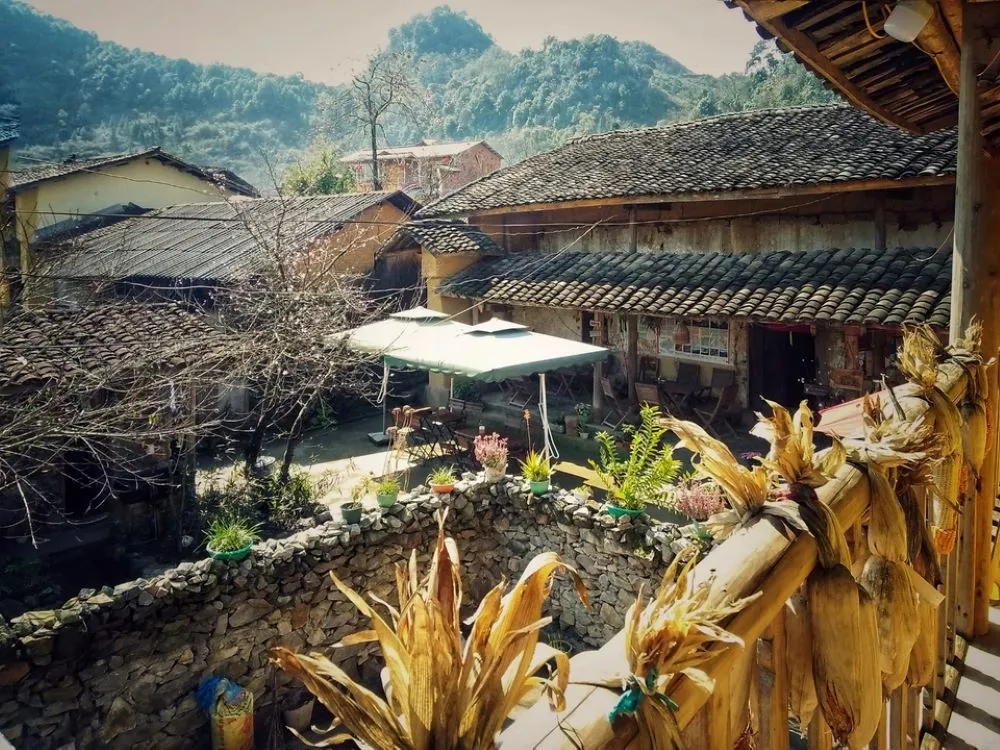
- Earthen Walls (Trình Tường): Ancient houses built from hand-compacted soil, designed to breathe in the summer and insulate against the harsh mountain winters.
- Stone Fences: Every pathway is lined with meticulously hand-stacked stone walls, built without mortar, which have stood the test of wind and time.
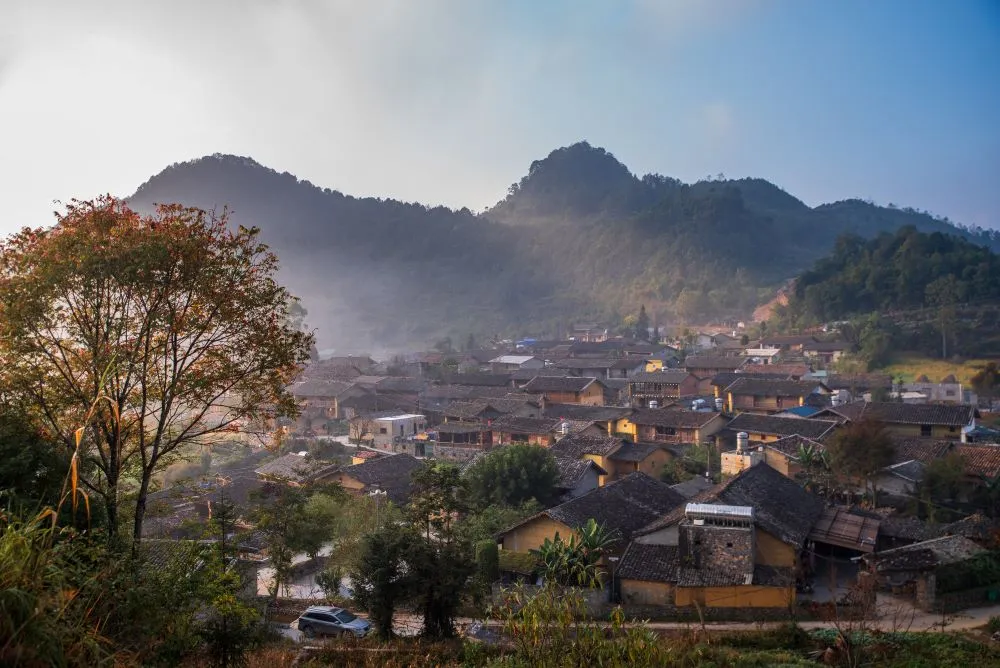
- Yin-Yang Roofs: The dark, weathered tiles create a rhythmic pattern across the valley, especially beautiful when caught in the morning mist.
The Journey to Authenticity
The path to Lo Lo Chai is a testament to its seclusion. The roads are characterized by steep inclines and uneven terrain, winding through the rugged limestone peaks. However, it is this very remoteness that has shielded the village from the rapid pace of modernization. Visitors are rewarded not just with a destination, but with a quiet atmosphere and a strong cultural identity that remains entirely unforced and authentic.
Why Lo Lo Chai is a “must-visit”
Lo Lo Chai represents the successful balance of community-based tourism. It is clean, peaceful, and authentic. It is the only place in Vietnam where you can stand at the northernmost point of the country and feel like you have stepped back three hundred years into the past.
The Ultimate Ha Giang Loop Guide (2025): Itinerary, Map & Tips
2. Ideal time to visit Lo Lo Chai Village
Lo Lo Chai Village offers a unique charm in every season, making it a rewarding destination year-round. Depending on your interests, certain months bring out the village’s most vivid landscapes or cultural experiences.
Spring (January – March): The season of rebirth & heritage
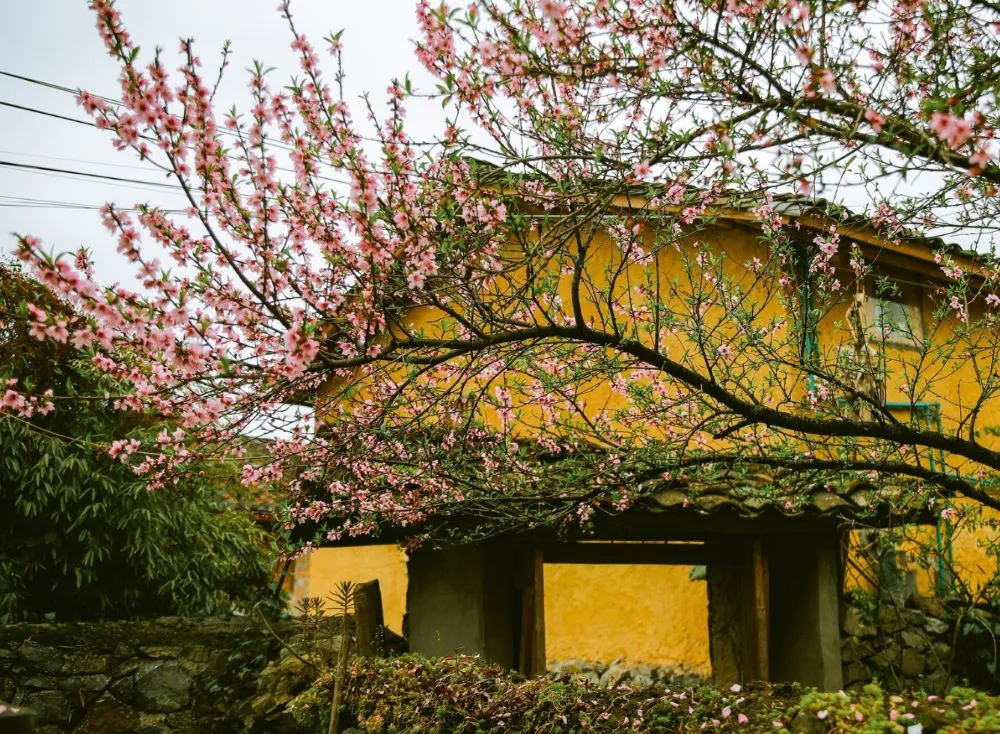
January to March: Spring transforms the Dong Van Karst Plateau into a floral wonderland. Plum, peach and mustard blossoms cover the hills, and ethnic festivals offer a glimpse into authentic highland traditions.
- The experience: This is the most poetic time in the village. As the Lunar New Year (Tet) approaches, the stark limestone landscape is softened by a blanket of blossoms.
- Visual highlights: The village is enveloped in the pale pink of ancient peach blossoms, the crisp white of plum flowers, and the vibrant yellow of mustard fields.
- Cultural connection: This is peak festival season. You can witness the Lo Lo people’s unique ceremonies, traditional folk games, and the vibrant displays of hand-stitched costumes that have been preserved for centuries.
- Best for: Cultural immersion and “Fairytale” photography.
May: The “Mirror of Heaven” (Water-Pouring Season)
Known as the water-pouring season, this is when rice terraces shimmer with reflected light, creating one of the most photogenic landscapes in Ha Giang.
- The Experience: In May, the Lo Lo and H’Mong farmers begin their new crop cycle. This is the famous Water-Pouring Season.
- Visual Highlights: The terraced fields surrounding the village are flooded with water, turning the mountainsides into giant mirrors that reflect the changing colors of the sky.
- Atmosphere: It is a season of labor and life, providing a deep look into the agricultural persistence of the highland people.
- Best for: Professional landscape photographers.
Summer (June – August): The Emerald Highlands
Summer is generally dry, ideal for trekking and outdoor exploration. Occasional showers enhance the scenery without disrupting travel plans.
- The Experience: Summer brings a lush, deep green to the karst plateau. The air is fresh, and the visibility is often at its peak, offering endless views of the frontier.
- The Weather: While the sun is bright, the high altitude keeps the heat manageable. Occasional mountain showers are brief and serve to wash the dust away, leaving the scenery crisp and vivid.
- Best for: Adventure seekers, trekkers, and those who love high-contrast, vibrant landscapes.
Autumn & Early Winter (October – December): The Buckwheat & Mist season
October to December: Buckwheat flowers bloom across the valleys, painting the region in soft pink and purple hues. Cool weather makes this the perfect time for hiking and photography
- The Experience: This is the most iconic season in Ha Giang. The air turns cool and crisp, making it perfect for sitting by a wood-fire hearth in a local homestay.
- Visual Highlights: The valleys are painted in soft pink and deep purple as the Buckwheat flowers bloom in vast carpets. In late November, a romantic mist often rolls over the village, creating a dreamlike atmosphere.
- Best for: Hikers, solo travelers seeking peace, and romantic getaways.
| Season | Vibe | Temperature | Top Activity |
| Jan – Mar | Festive & Floral | Cold (8-15°C) | Traditional Festivals & Flower Viewing |
| May | Reflective | Mild (18-25°C) | Photographing “Mirror” Terraces |
| Jun – Aug | Vibrant & Active | Warm (22-30°C) | Trekking & Motorbike Exploration |
| Oct – Dec | Romantic & Moody | Cold (5-15°C) | Buckwheat Photography & Herbal Baths |
Tip: If you visit during the winter months (October – February), the mountain wind can be biting. I always tell my guests to pack high-quality thermal layers and a windbreaker. There is nothing better than returning from the cold to a steaming Red Dao Herbal Bath in the village!
3. How to travel to Lo Lo Chai Village
Lo Lo Chai Village lies in Lung Cu Commune, Dong Van District, Ha Giang Province. Here’s how to reach the village from different regions of Vietnam.
- From Northern Vietnam (Hanoi, Hai Phong, Sapa,..)
The most popular option is to take a sleeper bus from My Dinh Station in Hanoi to Ha Giang City (6–7 hours). From there, you can transfer to a local bus to Dong Van, followed by a Linh Lam shuttle to the village entrance.
For more freedom and scenic views, many travelers opt to ride a motorbike or drive from Ha Giang along Highway 4C toward Lung Cu. The final stretch includes winding mountain roads, breathtaking cliffs, and views of wildflower-covered valleys.
- From Southern (Ho Chi Minh City, Tay Ninh,…)
Fly to Hanoi, then continue by sleeper bus or private car to Ha Giang. From there, follow the same route north to Dong Van and Lung Cu. Though the journey spans more than a day, it offers unforgettable scenery and deep cultural immersion. A guided tour or private driver can ensure a smoother trip.
- From Central Vietnam
Fly or take a train to Hanoi, then continue to Ha Giang and on to Lo Lo Chai via the same route. While lengthy, the road through Ha Giang’s highlands rewards every traveler with dramatic landscapes and quiet village life.
| Segment | Mode of Transport | Duration | Note from your Guide |
| Hanoi to Ha Giang City | Sleeper Bus / Limousine | 6 – 7 Hours | Choose the “Night Cabin” to save on a night’s hotel stay. |
| Ha Giang to Dong Van | Motorbike / Private Car | 5 – 6 Hours | The roads are steep; ensure your brakes are in perfect condition. |
| Dong Van to Lo Lo Chai | Local Shuttle / Taxi | 45 Minutes | This is the final 25km stretch toward the Flag Tower. |
4. Nearby attractions around Lo Lo Chai Village
Staying in Lo Lo Chai Village gives you easy access to some of Ha Giang’s most iconic landmarks. Here are four must-visit places nearby:
The Pinnacle of National Pride: Lung Cu Flag Tower
Standing as a sentinel over the northernmost frontier, the Lung Cu Flag Tower is located just one kilometer from the heart of Lo Lo Chai Village. This monumental landmark sits atop Dragon Mountain, requiring a climb of 839 stone steps to reach its summit. As you ascend, the air thins and the landscape expands, culminating in a 360-degree panorama that defines the scale of the North.
From this vantage point, visitors can trace the winding border valleys of China and gaze down upon the rhythmic patterns of terraced fields and the twin “Dragon Eye” lakes that provide water to our village. Standing beneath the massive national flag as it catches the mountain gale is an essential experience for anyone seeking to understand the soul of the Vietnamese highlands.
A century of cultural echoes: Dong Van Old Quarter
A scenic 25-kilometer journey from the village brings you to the historic Dong Van Old Quarter, a valley settlement where time has preserved the architectural heritage of the 19th century. This enclave is famous for its unique fusion of French colonial design and ethnic stone craftsmanship, characterized by sun-dried mud walls and weathered yin-yang roof tiles.
Beyond the physical beauty of the stone-paved alleys, the quarter serves as the social heartbeat of the plateau. Visitors can find sanctuary in historic teahouses or immerse themselves in the Sunday morning market—a vibrant tapestry of ethnic trade where the H’Mong, Tay, and Lo Lo people gather in a sea of colorful brocade to exchange local crafts and stories.
The great abyss of the North: Ma Pi Leng Pass
Often hailed as the “King of Passes” in Vietnam, Ma Pi Leng is a masterclass in human persistence and natural drama. Linking the districts of Dong Van and Meo Vac, this road was hand-carved into the side of sheer limestone cliffs by thousands of volunteers over several years.
As you navigate its winding curves at an altitude of 1,200 meters, the road offers a dizzying perspective of the rugged karst landscape. Known as the “Happiness Road,” it provides an unforgettable ride for motorbikers and photographers alike, with every turn revealing a new, postcard-worthy panorama of the jagged peaks that define the “Sea of Rocks.”
Journey through the deepest gorge: Nho Que River and Tu San Canyon
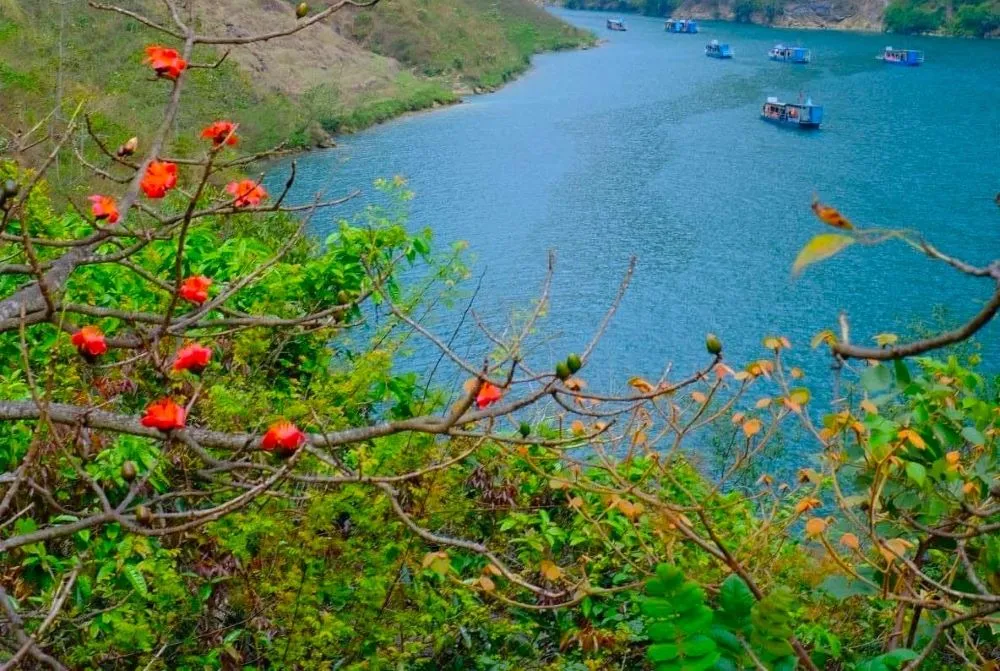
At the foot of the towering Ma Pi Leng Pass lies the Nho Que River, a ribbon of emerald water that flows through the heart of the Tu San Canyon. This geological marvel is recognized as the deepest canyon in Southeast Asia, featuring vertical limestone walls that rise nearly 800 meters from the river’s surface.
To experience Ha Giang’s raw natural beauty up close, travelers can descend to the water for a boat expedition. Gliding through the narrow, silent chasm between the towering cliffs offers a humbling sense of scale, allowing visitors to witness the prehistoric power of the river that has shaped this landscape over millions of years.
5. Experiential activities to try in Lo Lo Chai Village
Whether you’re seeking cultural depth or outdoor discovery, Lo Lo Chai Village offers immersive experiences that connect you with its people, landscapes, traditions. Here are some meaningful activities to try during your visit:
- Immerse yourself in Lo Lo daily life
Join village festivals where traditional dances and ceremonial music reflect deep-rooted customs. Explore handwoven textiles, silver jewelry and colorful ethnic wear made by skilled local artisans.
- Discover nature through local adventures
Trek through terraced rice fields, limestone ridges, or simply wander the scenic paths around the village. Expect birdsong, herbal gardens, mountain views at every turn – perfect for nature lovers and photographers.
- Stay with locals for cultural exchange
Choose a homestay and take part in daily life such as cooking, weaving, harvesting,.. with your host family. These shared moments offer a real connection to the Lo Lo and H’Mong communities.
- Savor the culinary heritage of the highlands
Dine on local specialties such as Thang Co, Men Men, grilled pork with corn wine,… Meals are crafted from fresh ingredients and served with warmth, reflecting the soul of highland hospitality.
- Enjoying highland views at Cuc Bac café
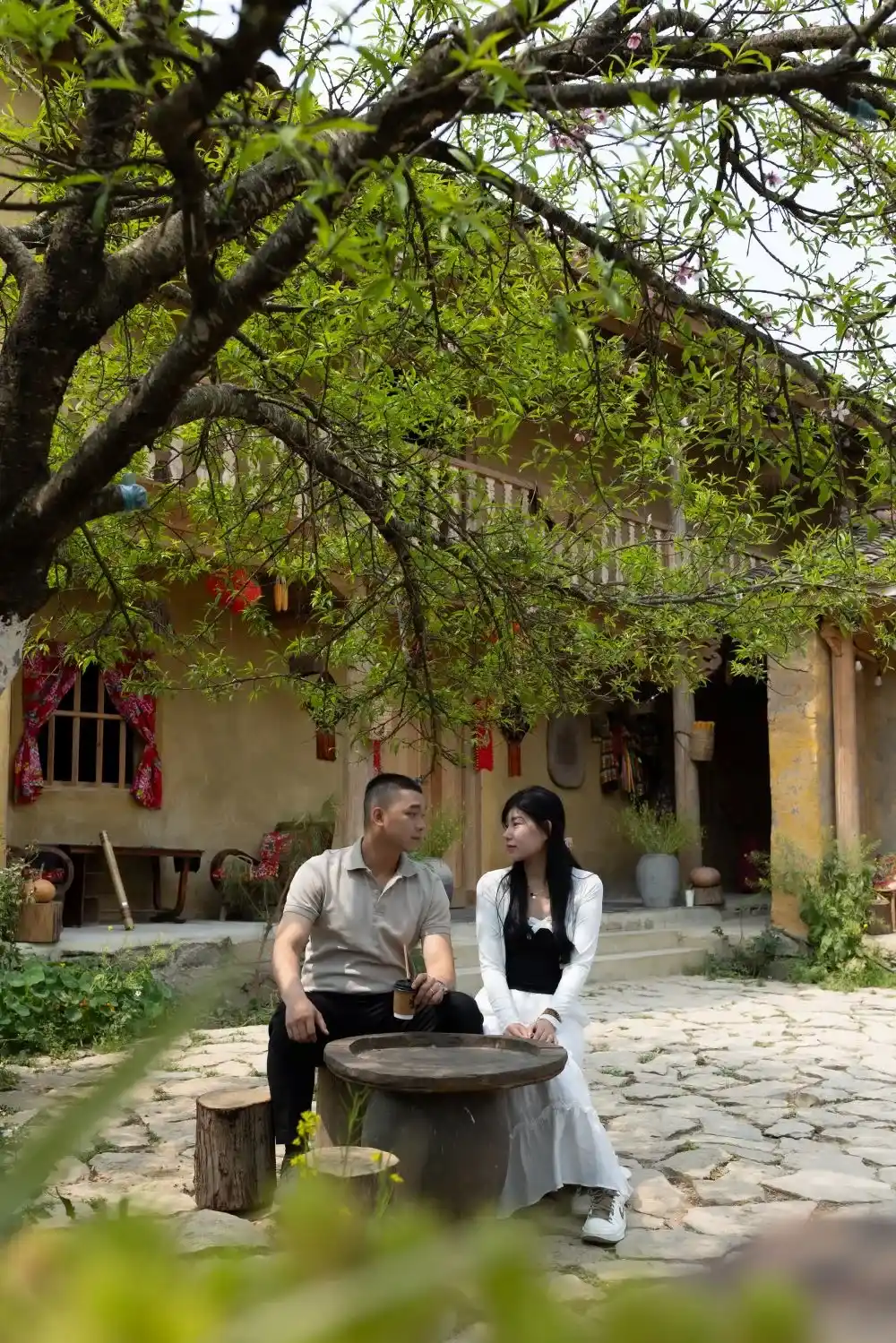
In the heart of Lo Lo Chai, Cuc Bac Café offers a peaceful stop with local charm. Built by a Japanese traveler and now run by a Lo Lo family, the café features traditional architecture and a cozy courtyard. Enjoy Vietnamese coffee, matcha, corn wine,.. while looking out toward the Lung Cu Flag Tower.
Lo Lo Chai – The Best Tourism Village in the World 2025 | UNWTO Award
6. Where to stay in Lo Lo Chai Village
Below are five highly rated homestays that balance comfort, cultural immersion, and panoramic views:
- Lolo Village Homestay: Located at the village entrance with direct views of the Lung Cu Flag Tower. Known for its afternoon tea sessions and earth-toned rooms. Ideal for travelers craving peace and quiet.
Price: 800,000–1,200,000 VND
- Homie Homestay: Surrounded by terraced rice fields, this 10-room stay features minimalist architecture and warm interiors. Ideal for couples and group travelers who enjoy mountain scenery.
Price: 800,000–1,400,000 VND
- MOTOGO Home: Centrally located in Lo Lo Chai, just a short walk from the flag tower. Offers a large outdoor courtyard, traditional decor, and 24/7 guest service.
Price: 550,000–950,000 VND
- Lo Lo Eco House: Set 24 km from Dong Van Town, this eco-style retreat offers 24 rooms with sweeping mountain views. Guests can join tea ceremonies, wear local costumes, and learn about Lo Lo culture.
Price: 850,000–1,050,000 VND
- Lolo Ancient House: Designed by a pair of artists, this homestay captures the essence of Lo Lo heritage. With 8 handcrafted rooms and a courtyard perfect for stargazing, it’s both artistic and inviting.
Price: 800,000–1,000,000 VND
7. Lo Lo Chai’s culinary highlights
A visit to Lo Lo Chai Village isn’t complete without tasting its highland delicacies. More than just food, these dishes reflect the rich cultural heritage of the Lo Lo people.
- Five-Color Sticky Rice: Steamed glutinous rice dyed with natural herbs like magenta leaves and turmeric. This vibrant dish is central to village celebrations and symbolizes prosperity, also unity.
- Hill-Raised Pork: Sourced from free-grazing pigs raised by ethnic families. Known for its lean texture and clean taste, it’s often grilled or slow-cooked with mountain herbs.
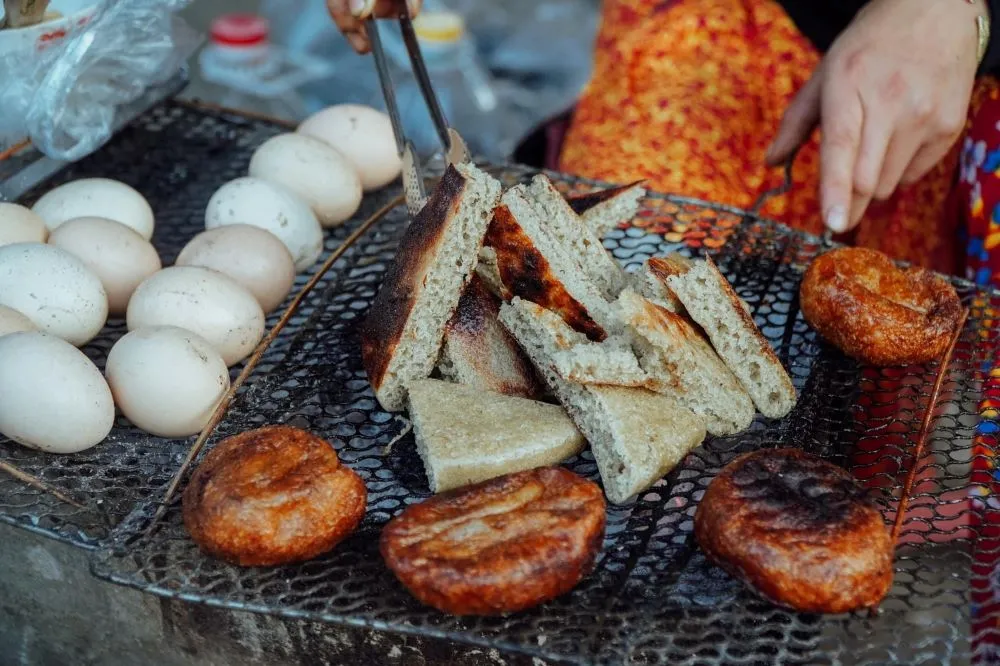
- Buckwheat Cake: A signature snack made from roasted buckwheat flour. Lightly sweet and nutty, it’s especially popular during the buckwheat flower season in Hagiang.
- Dishes with Buckwheat Flowers: Locals also prepare seasonal specialties using buckwheat flowers – stir-fried, simmered, or even turned into herbal salads for a delicate floral flavor.
- Herbal Corn Wine: A signature drink of the Lo Lo ethnic group, this mildly sweet liquor is made from corn, mountain spring water and a unique mix of forest herbs. It pairs well with grilled meats, festive dishes.
8. Explore Lo Lo Chai Village with Phieu Travel
Visiting Lo Lo Chai Village is more than a stop along the Ha Giang Loop – it’s a chance to step into the daily life of one of Vietnam’s most unique highland communities. With Phieu Travel, you don’t just pass through – you engage, connect, and experience the village like a local.
Why travelers choose Phieu Travel:
- Flexible itineraries: Join a 2D1N, 3D2N, or 4D3N tour or build a custom trip based on your needs and timing.
- Local insight: Travel with native guides who speak the language, understand the culture and share real-life stories.
- Tour formats that suit you: Choose from motorbike rides, shared cars or fully private tours depending on your comfort and adventure level.
- Community-based travel: Each tour directly supports local Lo Lo families and helps preserve their heritage.
Let Phieutravel.com take you beyond sightseeing into the everyday rhythm of Lo Lo Chai village! From shared meals to hands-on crafts, you’ll connect with real people and culture in one of Vietnam’s most authentic villages. Contact us now!
You Might Also Like:
- Dong Van Old Quarter Travel Guide: What to Eat, Do, and Where to Stay
- 3 Days 2 Nights Ha Giang Loop tour package from Phieu Travel
- Tham Ma Pass, Ha Giang – Don’t miss these must-see experiences

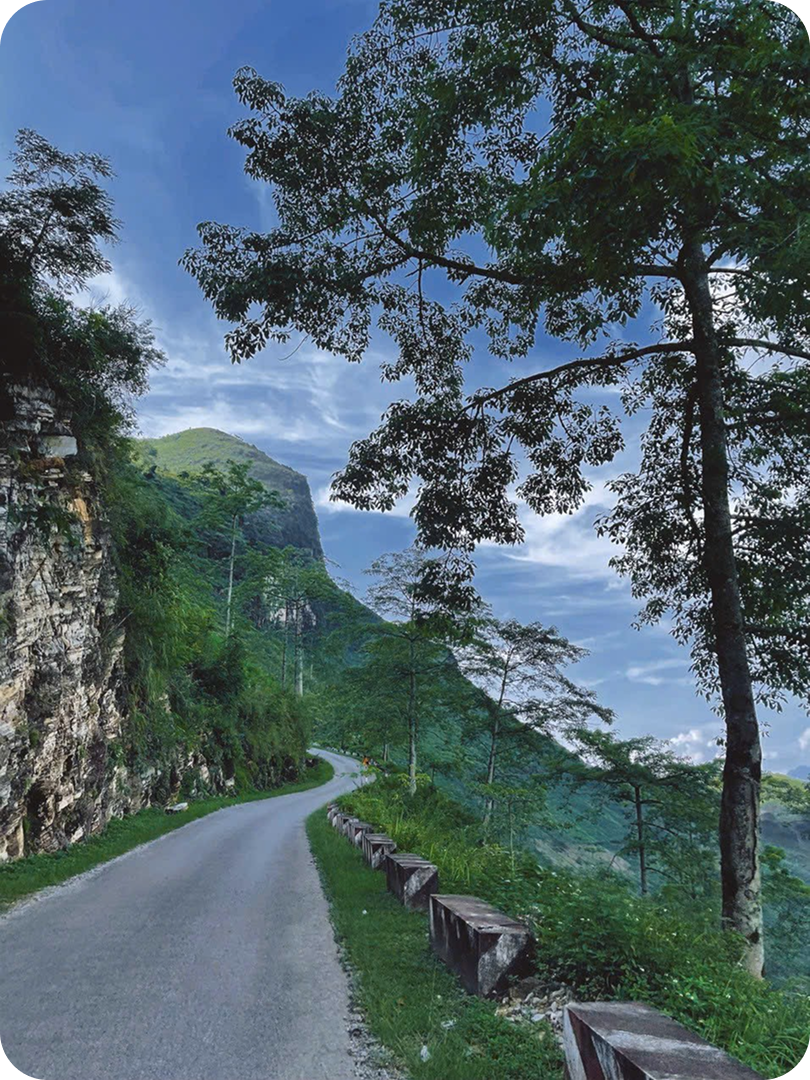
 Du Gia
Peaceful village with waterfalls and rice fields.
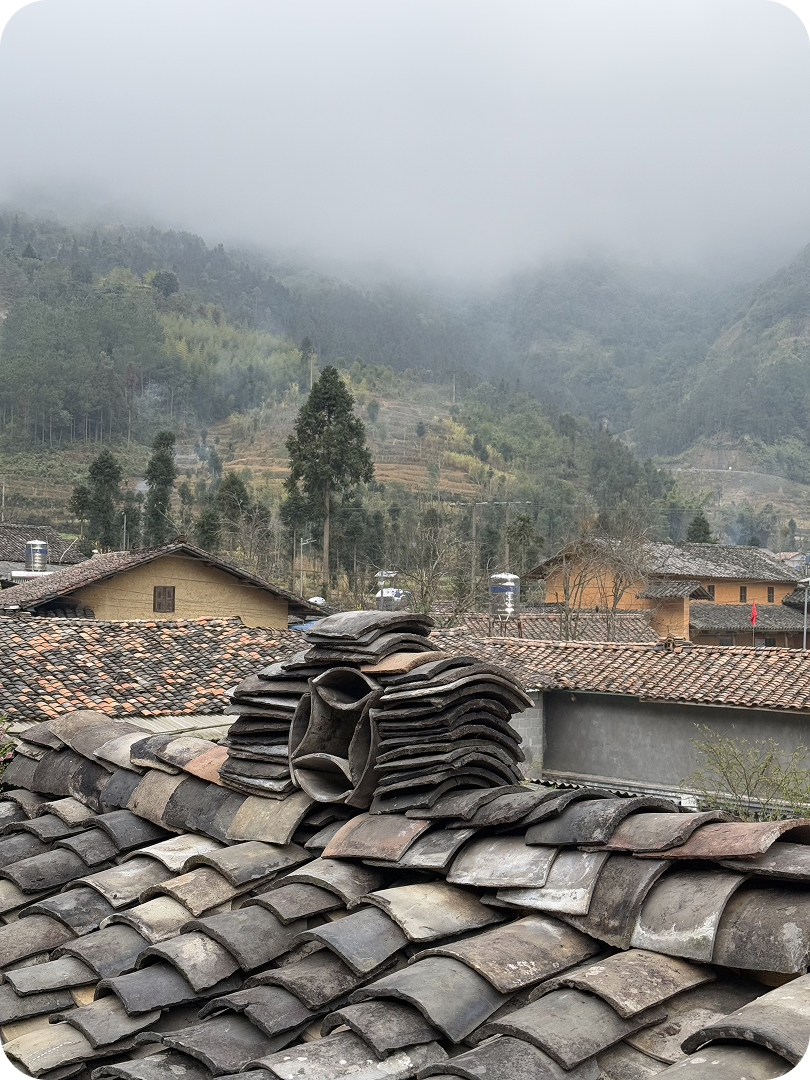
Pao’s House
Traditional Hmong house from a famous movie.
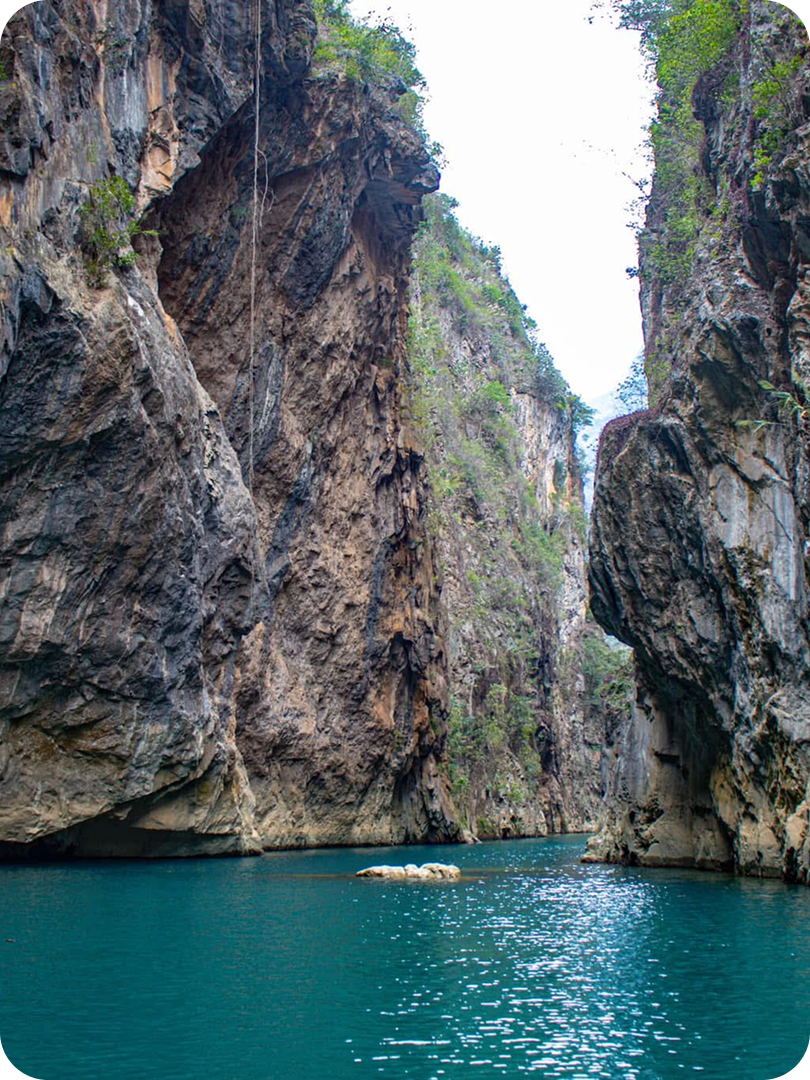
Nho Que River
Emerald river winding through spectacular canyons.
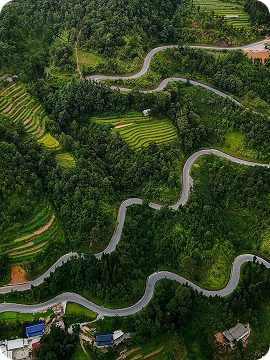
Chin Khoanh Ramp
Zig-zagging road with stunning plateau views.
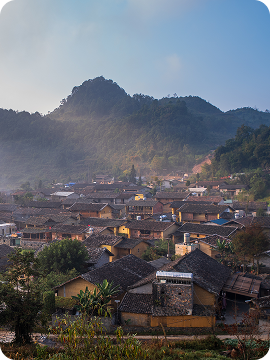
Lo Lo Chai
Traditional Lo Lo village at flagpole’s foot.
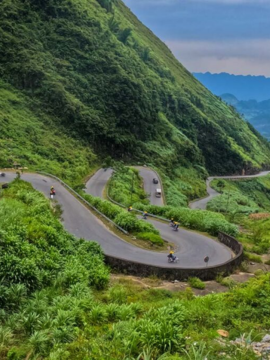
Tham Ma Pass
Famous eight-tiered road with stunning views.
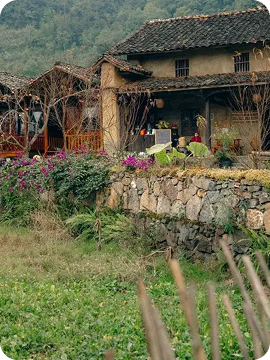
Meo Vac
Vibrant Sunday market for ethnic minorities.
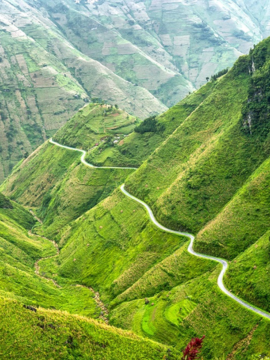
Ma Pi Leng Pass
"King of passes" with breathtaking views.
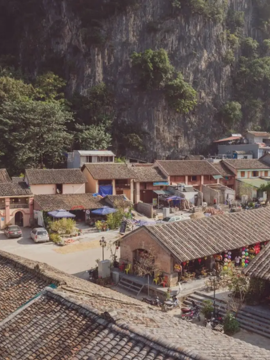
Dong Van Old Quarter
Historic area with unique traditional houses.
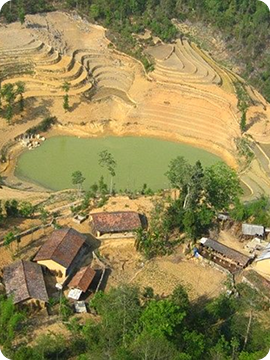
Dragon Mountain-Dragon Eye
Two lakes at flagpole's foot, resembling dragon's eyes.
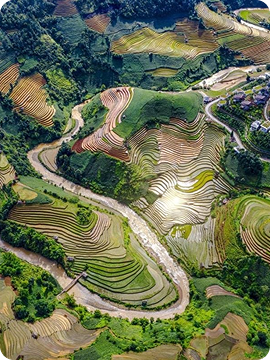
Mu Cang Chai – Ha Giang
A breathtaking route of terraced fields and mountains.
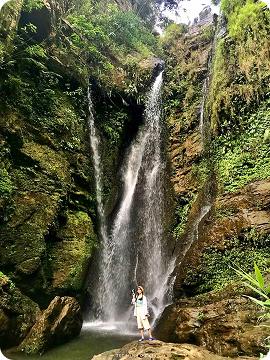
Nai Waterfall
A serene waterfall in Quan Ba, ideal for picnics.