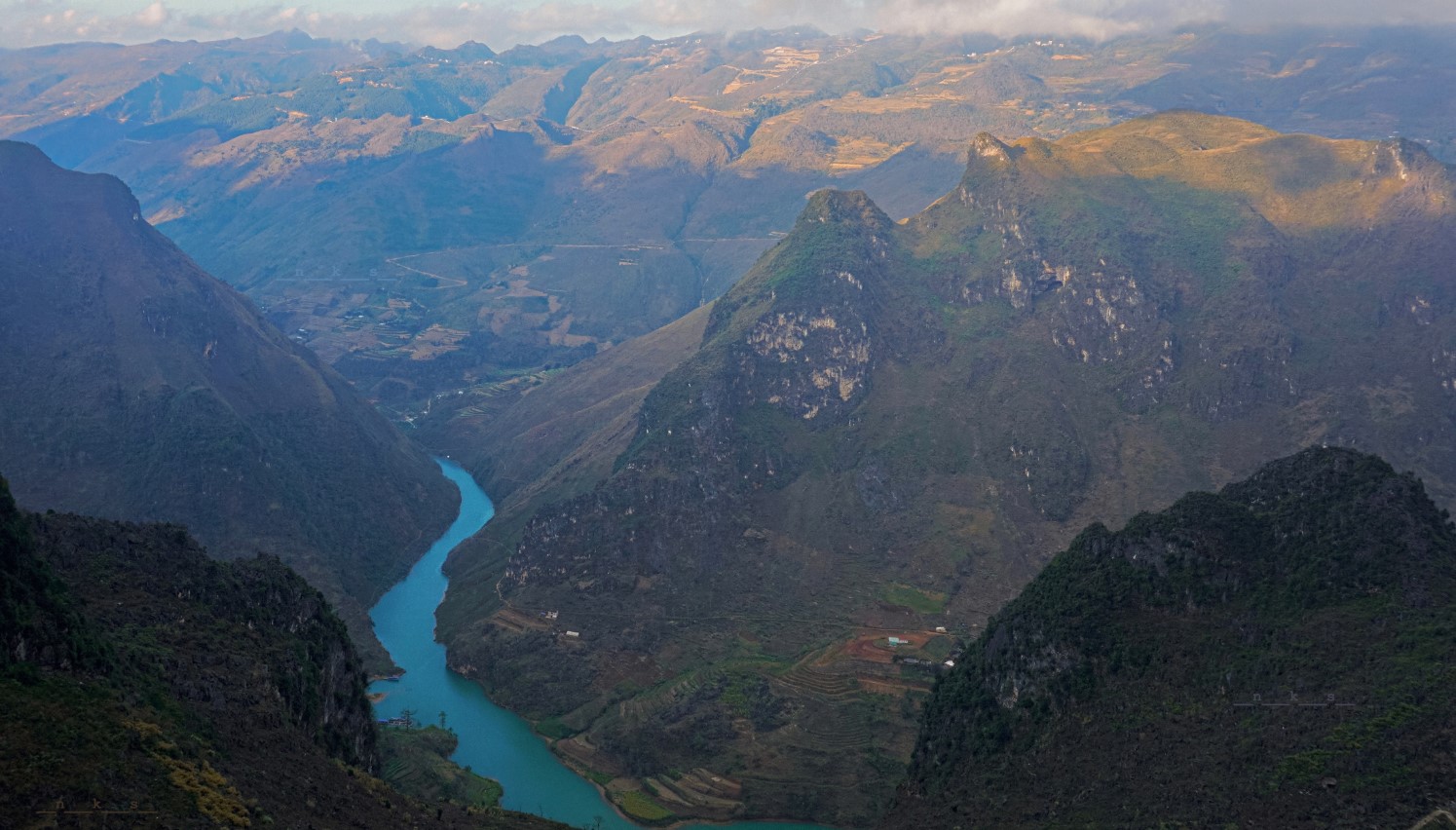
The Nho Que River has long been one of the most iconic travel symbols of Ha Giang, captivating visitors with its rare emerald green water and the dramatic limestone canyon landscape considered among the most spectacular in Vietnam. Beyond being a famous check in destination, the Nho Que River carries significant geographical, scenic, and experiential value, leaving a lasting impression on anyone who visits.
In this article, Phieu Travel shares comprehensive information about the Nho Que River, including its geographical location, transportation options, the best time to visit, must try experiences, and practical tips to help you enjoy a safe and memorable journey.
1. Introduction to Nho Que River
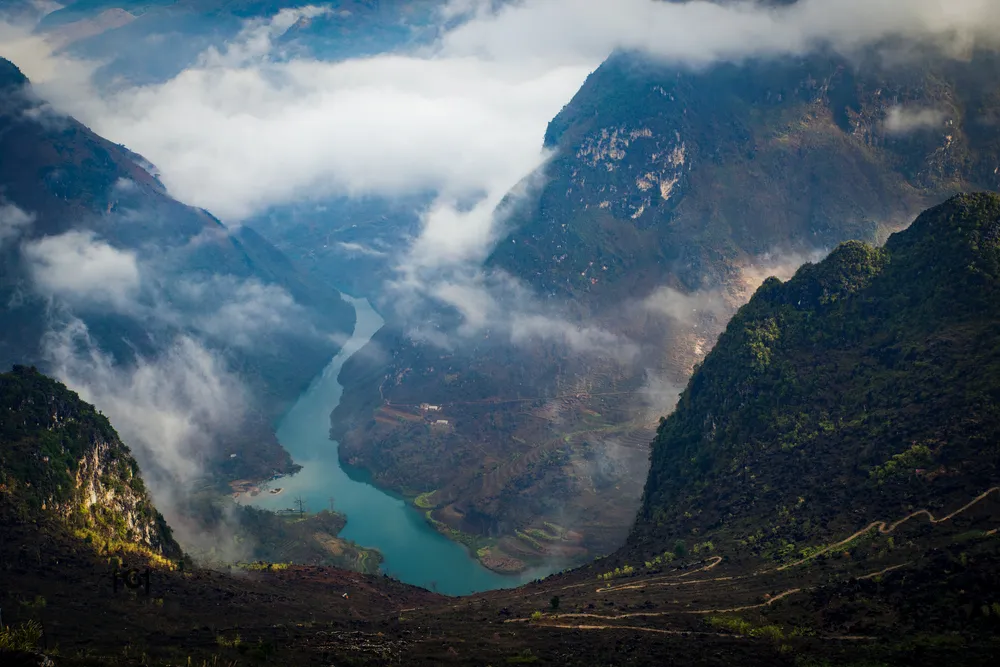
Nho Que River enchants with emerald waters and dramatic canyon views. In this section, we will explore the beauty of Nho Que River and guide you on how to get there from different regions of Vietnam, making your journey smooth and well-prepared.
1.1 A Poetic Land in the Heart of Ha Giang (Geography & Scenery Overview)
The Nho Que River originates from the Nghiem Son mountain range in Yunnan, China, at an altitude of over 1,500 meters. It flows northwest with a total length of approximately 192 kilometers, of which 46 kilometers run through Vietnamese territory, forming an important part of the northeastern river system.
Upon entering Vietnam, the river begins in Seo Lung Hamlet, Lung Cu Commune, Dong Van District. It flows through the Tu San Canyon, runs alongside the Ma Pi Leng Pass, and continues toward Meo Vac District. Here, the river divides into two branches, flowing into Cao Bang Province before merging with the Gam River at Na Mat junction.
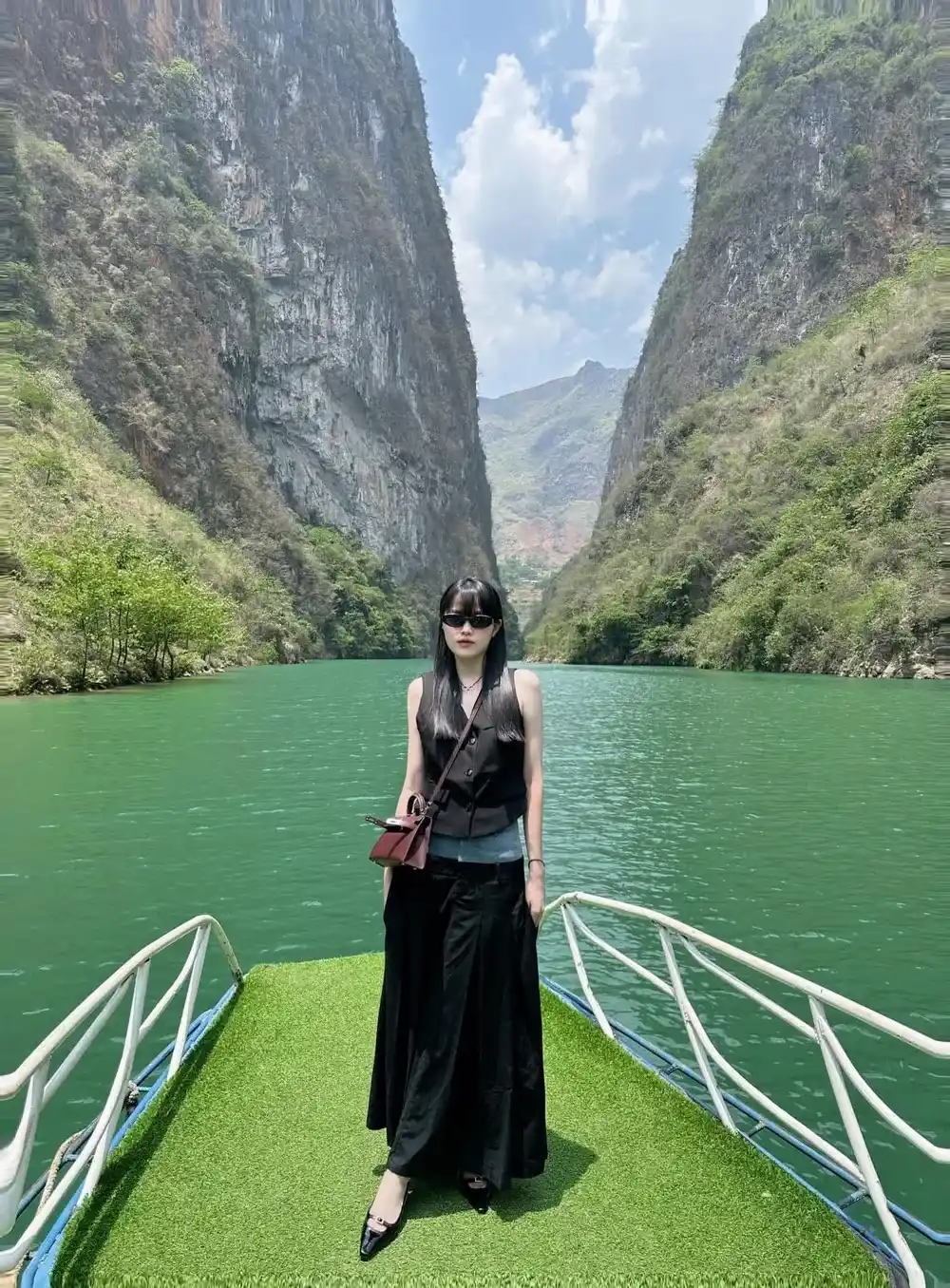
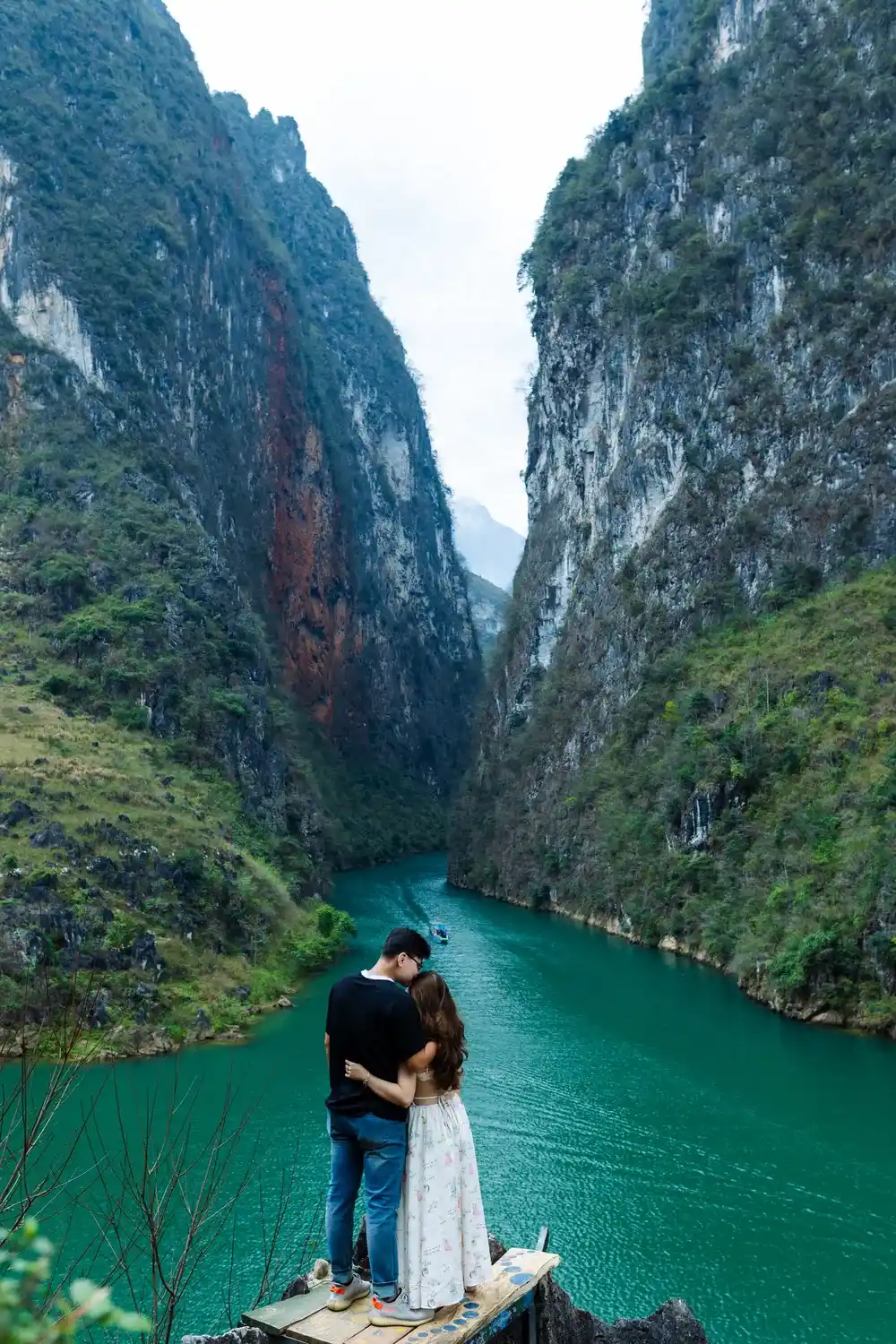
What makes the Nho Que River truly special is its rare emerald green color, reflecting the towering limestone cliffs on both sides. The harmonious combination of river, mountain pass, and canyon has created a famous travel triangle consisting of the Nho Que River, Tu San Canyon, and Ma Pi Leng Pass, attracting both domestic and international travelers.
1.2 How to get to Nho Que River
No matter where your journey begins, you’ll find several convenient ways to reach the Nho Que River.
1.2.1 From Northern Vietnam (Hanoi, Lao Cai, Tuyen Quang…)
Travelers from northern provinces such as Hanoi, Lao Cai, Tuyen Quang,… can reach the Nho Que River most conveniently by taking an overnight sleeper bus to Ha Giang City. For those who enjoy scenic drives, riding a motorbike or driving a private car offers a flexible, immersive alternative.
1.2.2 From Central Vietnam (Hue, Da Nang…)
From central cities like Hue, Da Nang,… travelers can take a direct sleeper bus to Ha Giang for a convenient and time-efficient option. Alternatively, you can fly or take the train to Hanoi, then continue your journey to Ha Giang by sleeper bus, private car or motorbike, depending on your travel style and schedule.
1.2.3 From Southern Vietnam (Ho Chi Minh City, Can Tho…)
The easiest way to reach Ha Giang from Ho Chi Minh City or Can Tho is by flying to Hanoi, then continuing by sleeper bus, car, or motorbike. While direct sleeper buses exist, flying offers more comfort and flexibility for long-distance travel.
The Ultimate Ha Giang Loop Guide (2025): Itinerary, Map & Tips
2. Best time to visit Nho Que River
The perfect time to explore Nho Que River is from September to April, when the weather is dry, cool and skies remain clear. This season offers excellent conditions for sightseeing, boat tours, photography. October and November are especially stunning, as golden rice terraces frame the river, creating one of Ha Giang’s most iconic landscapes.
During this season, Ha Giang experiences cool weather, with early morning mist creating a wild and mystical atmosphere. This is also the peak season for buckwheat flowers, with soft pink and purple hues spreading across the hillsides, blending harmoniously with the emerald water of the Nho Que River to create a truly poetic landscape.
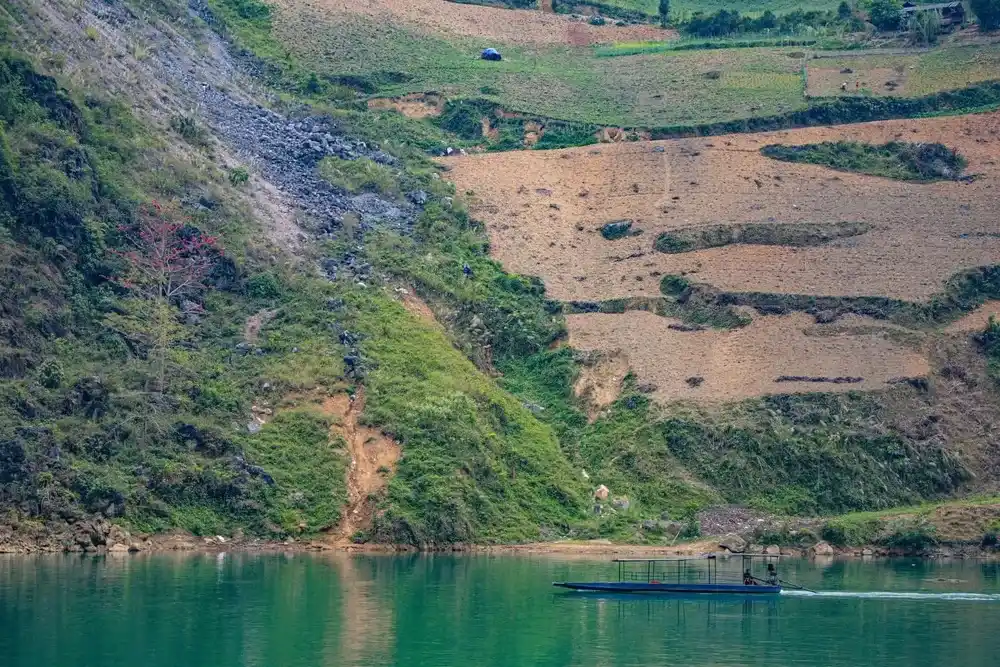
3. Top activities not to miss at Nho Que River
Here are unmissable activities that elevate your Nho Que River journey into a truly memorable experience.
3.1 Boat ride through the majestic Tu San Alley
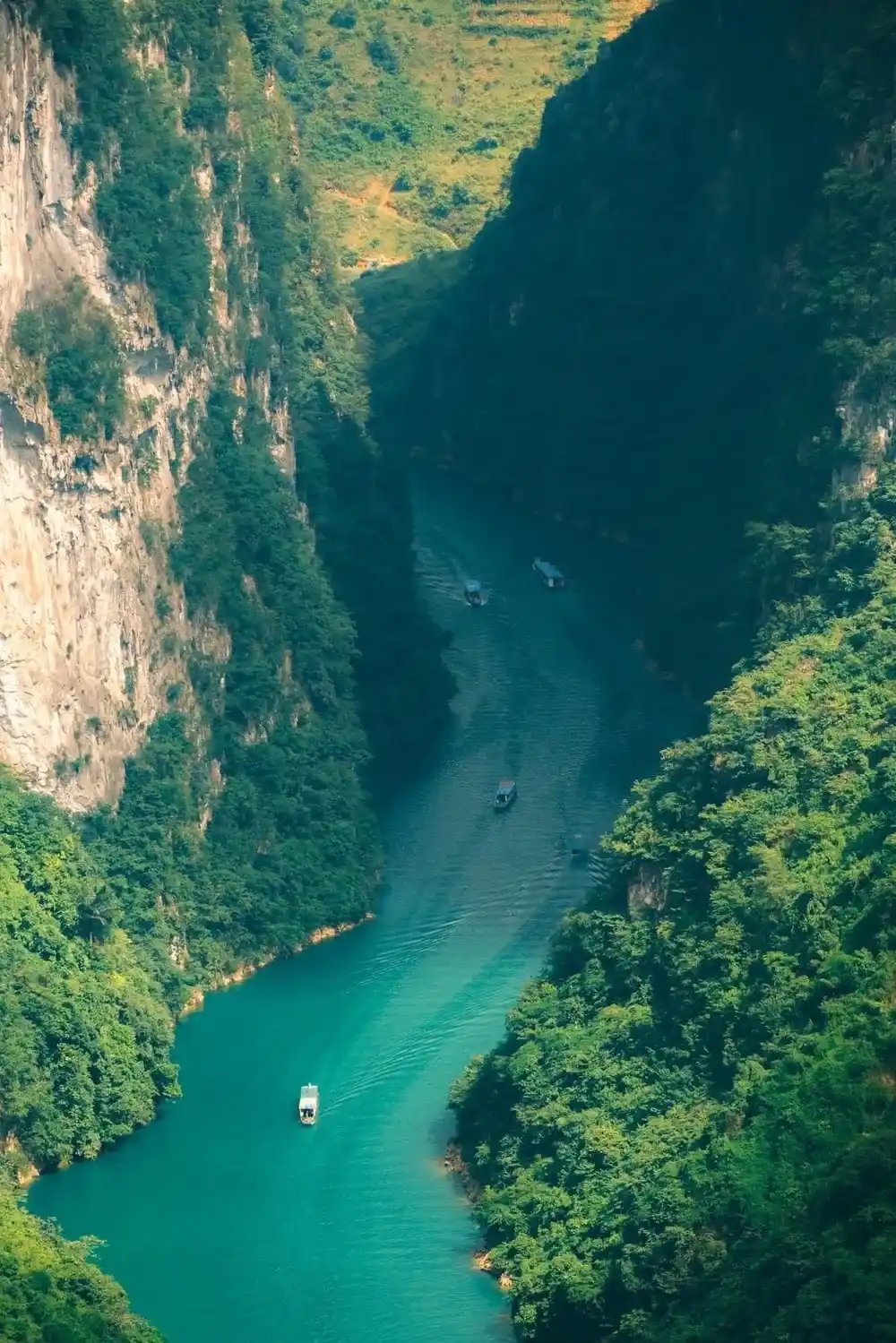
Tu San Canyon is recognized as the deepest canyon in Southeast Asia, with an estimated depth of nearly 1,000 meters. It is the most remarkable highlight of the Nho Que River journey.
While cruising through the canyon by boat, visitors can admire towering cliffs, deep abysses, and the vast open space unfolding before their eyes. The gentle flow of the river contrasts beautifully with the rugged terrain, creating a feeling that is both overwhelming and peaceful.
This is the perfect moment to slow down, immerse yourself in nature, and fully appreciate the untouched beauty of the Dong Van Karst Plateau.
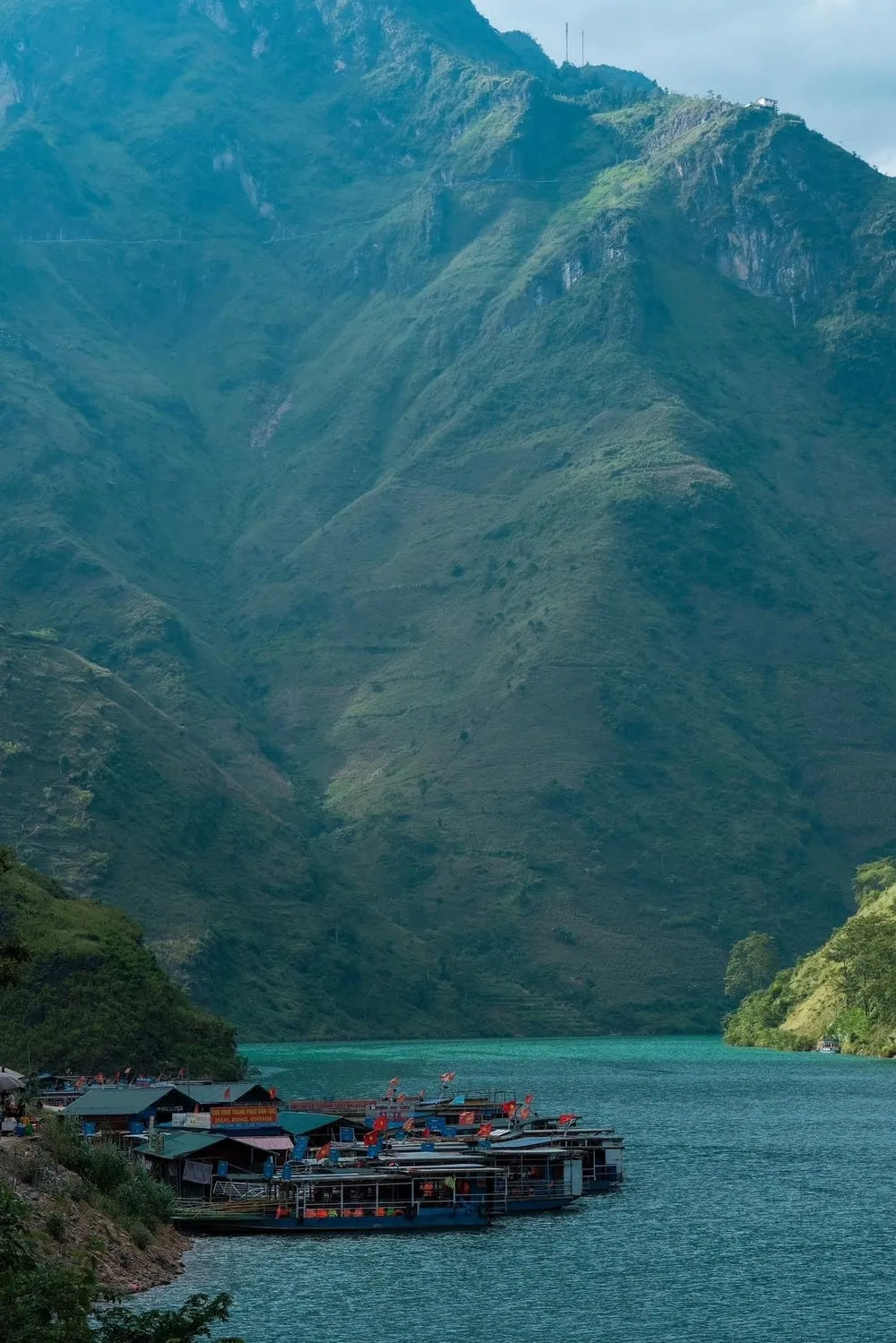
3.2 Scenic view from Ma Pi Leng Pass
For a breathtaking view of the Nho Que River without boarding a boat, Ma Pi Leng Pass offers the perfect vantage point. Roadside lookouts along the pass allow you to admire Tu San Canyon in all its grandeur. It’s an excellent choice for travelers with limited time who still want to capture iconic photos of Ha Giang’s landscape.
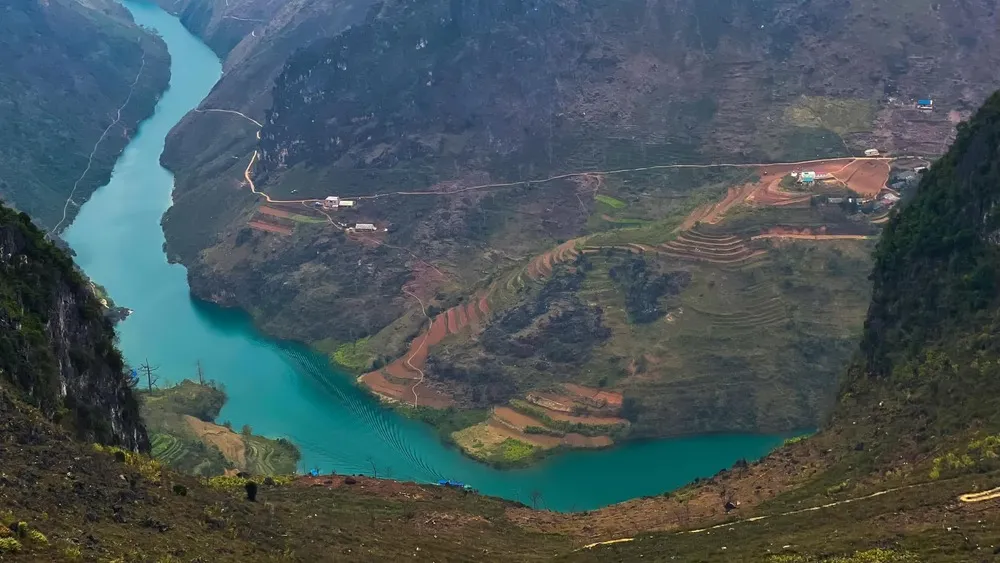
3.3 Check-in, photography and camping by the river
Camping along the Nho Que River is a popular experience, especially among young adventurers exploring Ha Giang. At Tu San boat station, you can rent tents, enjoy light meals and spend the night beside crystal-clear waters. It’s also a favorite check-in spot, with golden-hour photos framed by dramatic limestone cliffs and the tranquil beauty of the canyon.
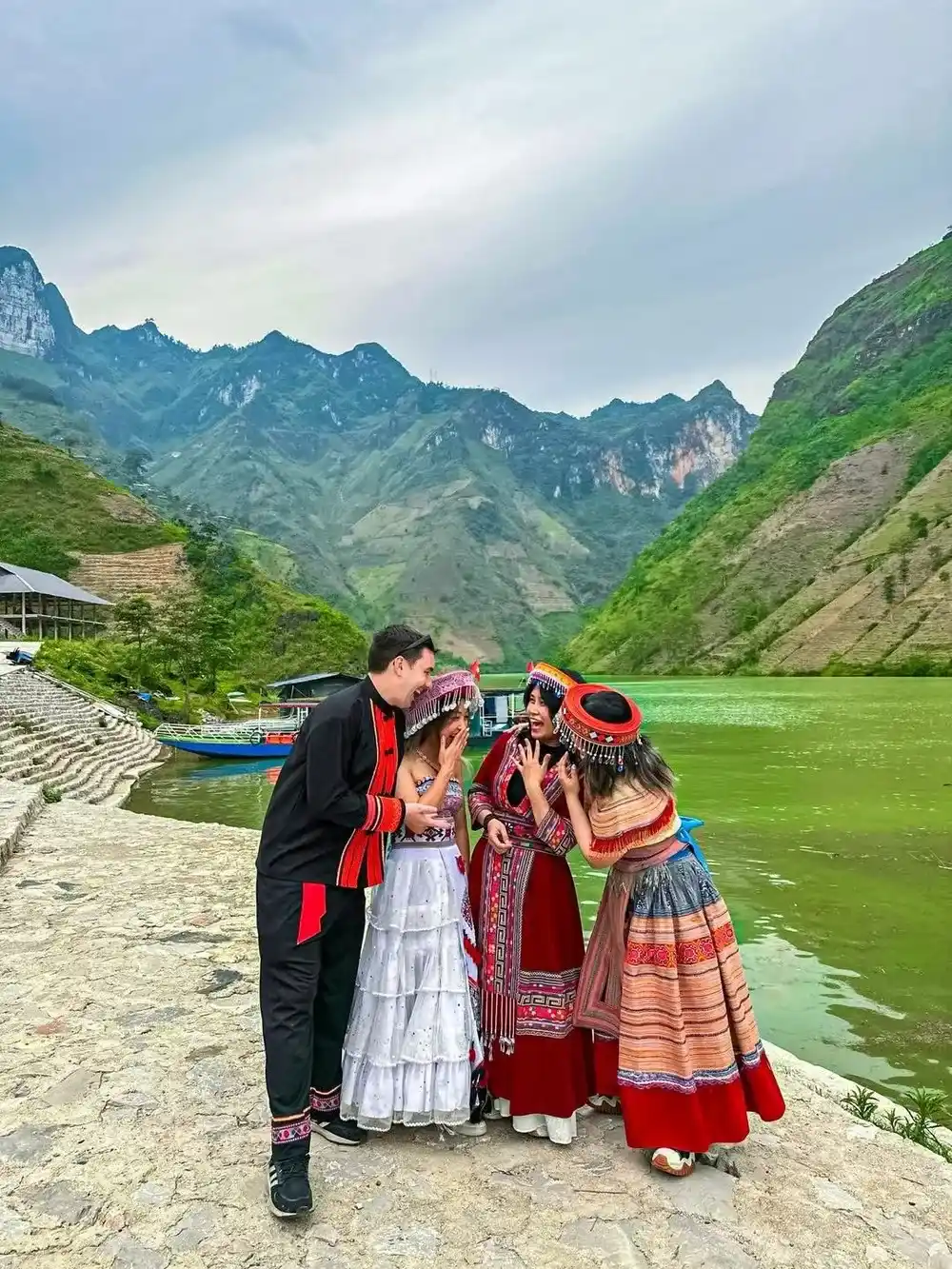
3.4 Real travel video: A Journey on the Nho Que River
Discover the Nho Que River through authentic travel videos captured by real visitors. These immersive clips highlight the river’s striking emerald waters, soaring cliffs and serene atmosphere – offering a vivid preview of what awaits on your own journey through Ha Giang’s most iconic landscape.
4. Tips and travel experiences for visiting Nho Que River
To make the most of your trip to the Nho Que River, here are some practical tips and insights every traveler should know before setting off.
4.1 Boat stations and Entrance fees
Visitors can depart from two main boat stations: Ta Lang (4 km from Dong Van, with steep winding roads – ideal for motorbikes or taxis) and Xin Cai (near Ma Pi Leng Pass, offering stunning river and mountain views).
Estimated boat ticket prices:
| Type of Boat | Capacity | Duration | Price (VND) | Highlights |
| Small Boat | 2–4 people | 45 – 60 minutes | 400,000 – 500,000 | Flexible for photo stops, ideal for couples/small groups. |
| Large Boat | 10–15 people | 60 – 90 minutes | 800,000 – 1,000,000 | Includes local guide and detailed commentary. |
Note: Prices vary by season and services offered. To avoid delays, confirm station details, transport availability, and operation hours before departure.
4.2 What to prepare before your trip
To fully enjoy your journey to the Nho Que River, it’s important to prepare the following essentials:
- Photography gear: Bring a camera or a fully charged phone to capture breathtaking views along the river.
- Snacks and water: Carry bottled water and light snacks to stay energized during the trip.
- Sun protection: Hats, sunglasses and sunscreen will help protect you from direct sunlight.
- Clothing: Wear lightweight, breathable clothes that allow easy movement. A light jacket is also recommended in case of cooler weather.
- Footwear: Choose slip-resistant shoes or sandals to navigate uneven or slippery terrain safely.
Pro tip: If you plan to camp overnight or stay longer for sunrise photography, consider bringing a flashlight, mosquito spray and an extra jacket for cooler temperatures.
4.3 Do’s and Don’ts for a safe and respectful visit
To ensure a smooth, enjoyable, and respectful journey along the Nho Que River, keep these helpful guidelines in mind:
4.3.1 Do
- Dress modestly and respectfully when visiting local ethnic minority villages.
- Bring a small trash bag to collect your waste and help preserve the natural beauty of the area.
- Follow safety instructions from tour guides or boat operators at all times.
- Keep noise levels low to maintain the serene atmosphere and respect local customs.
- Always ask for permission before photographing residents, particularly elders and children.
4.3.2 Don’t
- Do not litter in or around the river and canyon area.
- Avoid steering the boat or making unscheduled stops without the operator’s approval.
- Stay clear of steep cliffs or rocky ledges unless accompanied by a trained guide.
- Refrain from bringing pets or items that may disturb the wildlife or ecosystem.
5. Phieu Travel – Exploring the scenic roads of Ha Giang
Phieu Travel is a Ha Giang-based tour operator specializing in immersive and sustainable journeys along the iconic Ha Giang Loop. With deep local knowledge, we connect travelers to iconic destinations such as the Nho Que River, Ma Pi Leng Pass, …, while fostering meaningful cultural exchange with ethnic communities.
We offer a range of flexible tour formats:
- Custom itineraries: 2D1N, 3D2N, or 4D3N programs tailored to your time and pace.
- Tour types: Self-riding motorbikes for adventure, guided rides for safety, or shared car tours for comfort.
- Group or private options: Join group departures or request a personalized route.
- Local guides: Get authentic insights from Ha Giang-born experts with deep cultural knowledge.
Looking to fully experience the magic of the Nho Que River? Let Phieutravel.com accompany you on a journey crafted by locals, for travelers. From tailored itineraries to immersive cultural insights, we ensure your visit is both smooth and unforgettable. Contact us now!
You Might Also Like:
- Lung Cu Flag Tower – A Sacred Symbol at Vietnam’s Northernmost Point
- Ma Pi Leng Pass – The Majestic Beauty of Ha Giang’s Stone Plateau
- Ultimate 2 Days 1 Night Ha Giang Loop with Phieu Travel
 Du Gia
Peaceful village with waterfalls and rice fields.
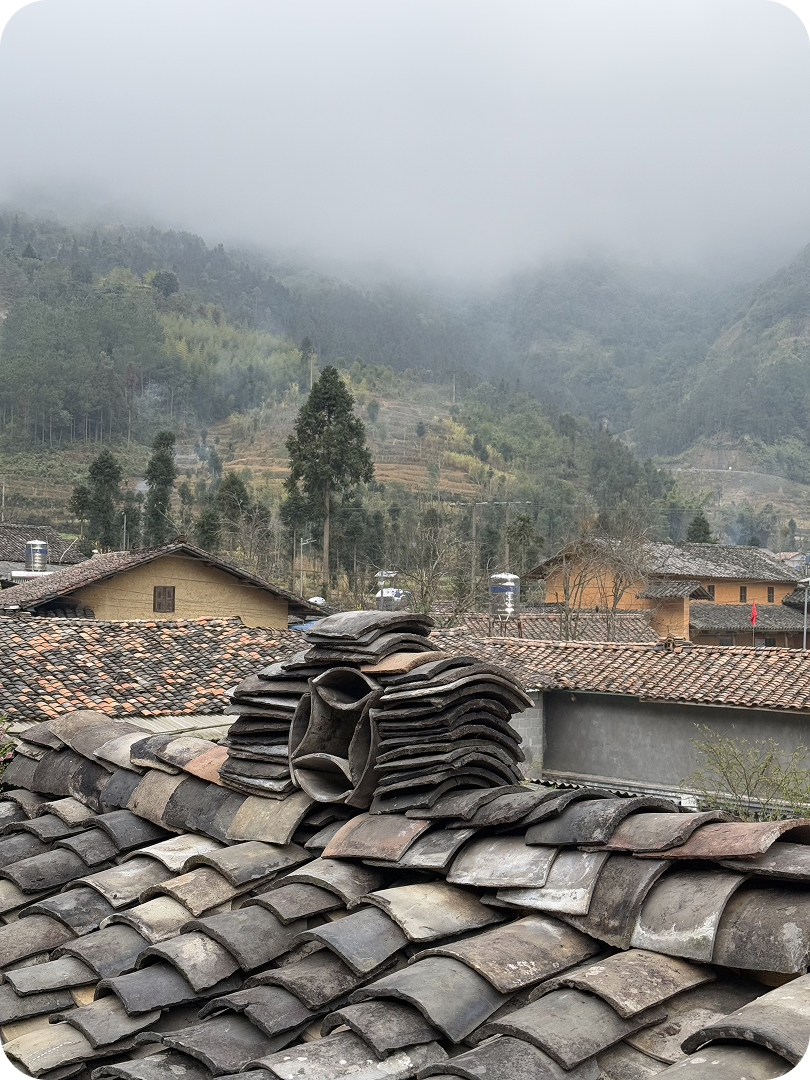
Pao’s House
Traditional Hmong house from a famous movie.
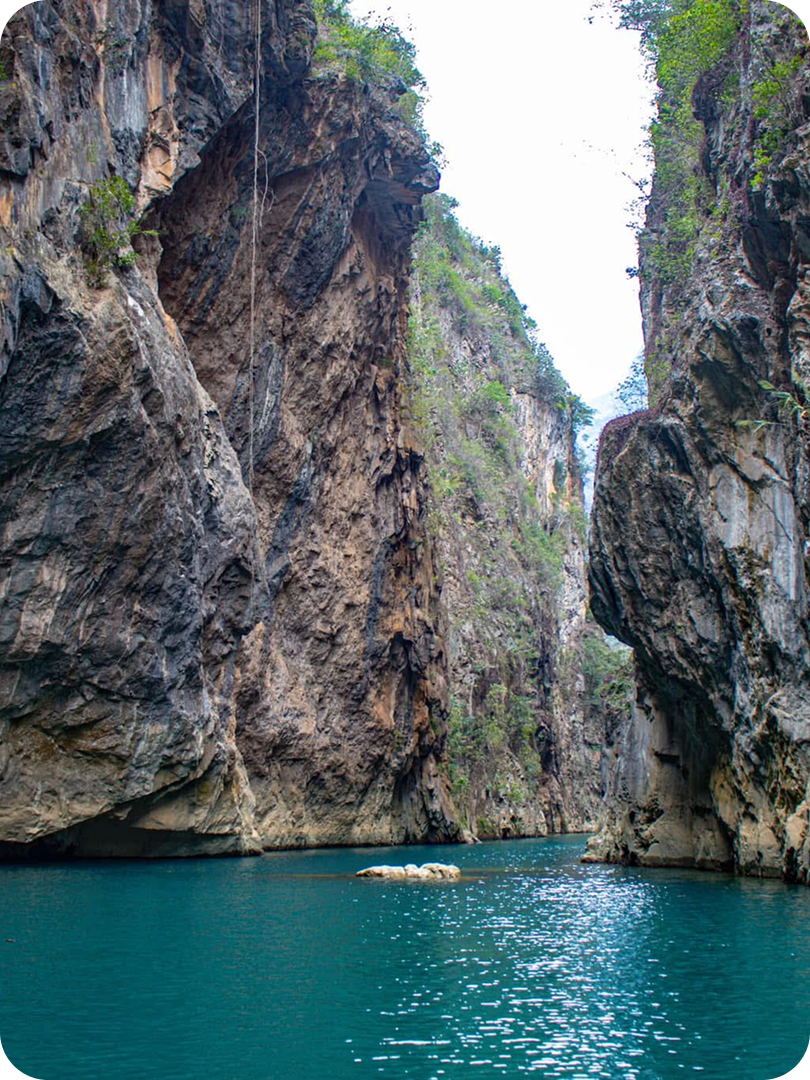
Nho Que River
Emerald river winding through spectacular canyons.
Chin Khoanh Ramp
Zig-zagging road with stunning plateau views.
Lo Lo Chai
Traditional Lo Lo village at flagpole’s foot.
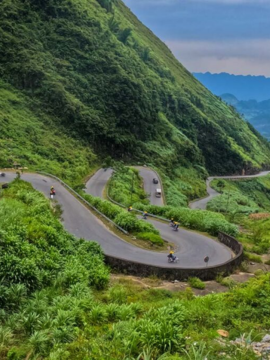
Tham Ma Pass
Famous eight-tiered road with stunning views.
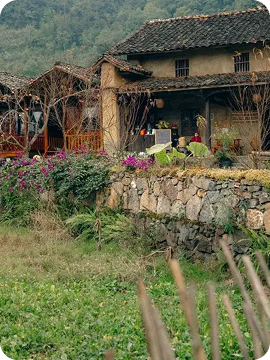
Meo Vac
Vibrant Sunday market for ethnic minorities.
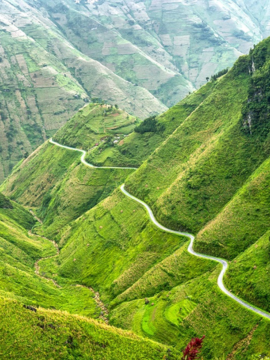
Ma Pi Leng Pass
"King of passes" with breathtaking views.
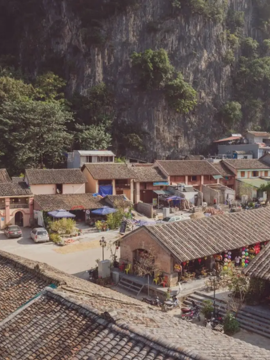
Dong Van Old Quarter
Historic area with unique traditional houses.
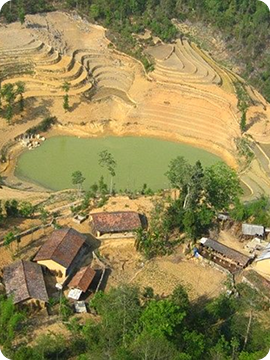
Dragon Mountain-Dragon Eye
Two lakes at flagpole's foot, resembling dragon's eyes.
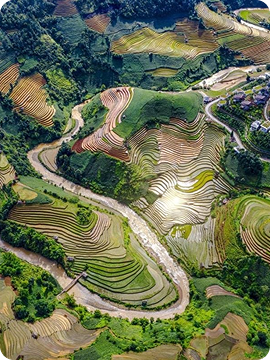
Mu Cang Chai – Ha Giang
A breathtaking route of terraced fields and mountains.
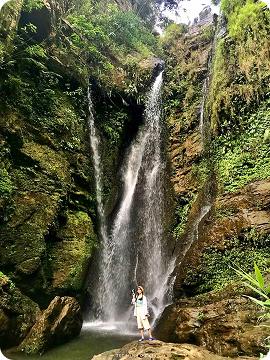
Nai Waterfall
A serene waterfall in Quan Ba, ideal for picnics.